How to Cook Cabbage
Quick answer
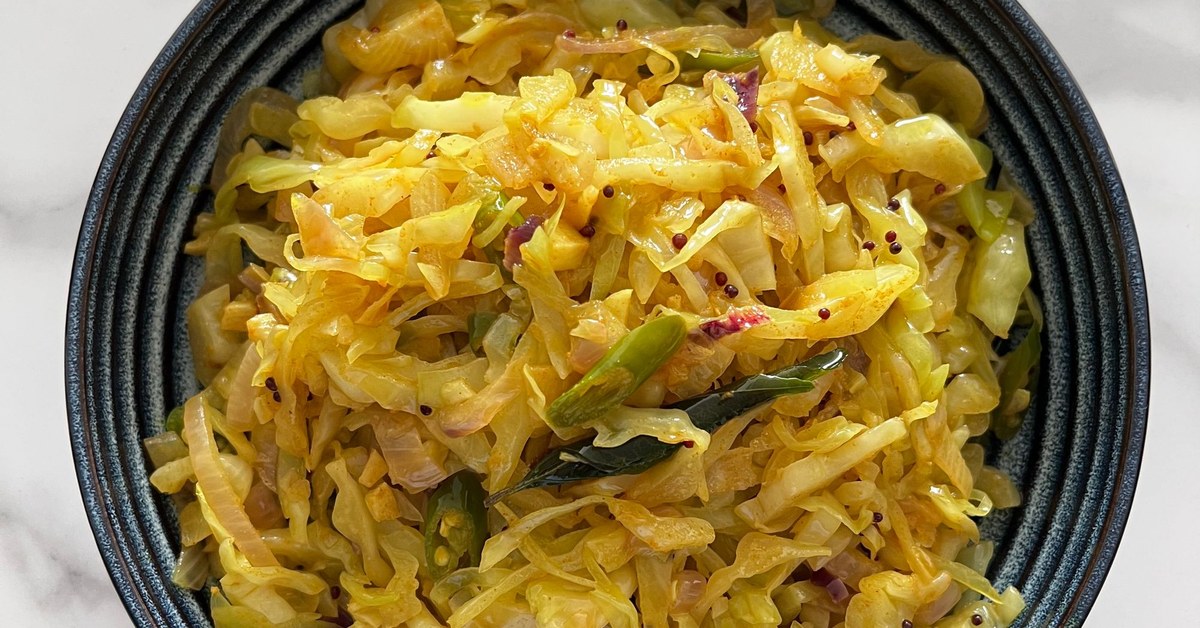
Core a head of green cabbage and slice it into ½-inch ribbons. Sauté in 2 tablespoons of butter or oil in a large skillet over medium-high 8–10 minutes, until tender with golden edges. Or brown wedges 3–4 minutes per side, add 1 cup of broth and simmer covered 25–30 minutes. Boiled wedges take 10–12 minutes.
Handy for this: Boiling times chart · What can I make?
At a glance
- Pull off any wilted outer leaves, quarter the cabbage through the core, and cut out the hard core.
- Slice into ½-inch ribbons for sautéing, or cut into wedges with a little core attached for braising or boiling.
- To sauté or fry, cook ribbons in 2 tablespoons of fat over medium-high for 8–10 minutes, stirring every minute or two.
- To braise, brown wedges 3–4 minutes per side, add 1 cup of broth, cover and simmer 25–30 minutes.
- To boil, simmer wedges in salted water for 10–12 minutes, or shredded cabbage for 5–7.
- Season with salt, pepper and a splash of vinegar, and serve hot.
The short version
Cabbage is cheap, keeps for weeks, and gets sweet when you cook it. For the quickest and tastiest version, slice it into ribbons and sauté it in butter or bacon fat over medium-high for 8–10 minutes until it's soft with golden edges. That's what most people mean by fried cabbage.
For a cozy, hands-off side, brown cabbage wedges in a pan, add a cup of broth, and braise them covered for 25–30 minutes. For corned beef night or a simple bowl of soft cabbage, boil wedges in salted water for 10–12 minutes. In every case, a fork should slide into the thickest part with little resistance.
What you need
- Cabbage. A medium green head weighs about 2 pounds (900 g) and serves 6 as a side. Look for a head that's heavy for its size with tight, shiny leaves. Savoy and red cabbage work too, with small adjustments.
- Fat. Butter, olive oil, or bacon fat. Two to three tablespoons for a whole head.
- A big pan. A 12-inch skillet or a Dutch oven. Raw sliced cabbage takes up a lot of space, but it shrinks by about half as it cooks.
- A sharp chef's knife. Cabbage is dense and a dull knife slips.
- Extras. A sliced onion, a clove or two of garlic, apple cider vinegar, and black pepper. For braising, a cup of broth.
How to cut cabbage
Peel off the outer two or three leaves, especially any that are torn or limp. Set the head stem side down and cut it in half straight through the core, then cut each half in half again. You now have four quarters with a triangle of white core in each.
For sautéing, cut the core out of each quarter at an angle, lay the quarter flat, and slice it crosswise into ribbons about ½ inch (1 cm) wide. Rinse the ribbons in a colander and let them drain well.
For braising or boiling, leave a little core on each piece and cut each quarter into 2 wedges about 1½ to 2 inches (4–5 cm) thick at the outer edge. The core holds the leaves together so the wedges don't fall apart.
How to cook cabbage, step by step
Sautéed or fried cabbage (8–10 minutes)
- Melt 2 tablespoons of butter (or heat oil or bacon fat) in a 12-inch skillet over medium-high heat until the butter foams.
- Add a sliced onion if you're using one and cook 2–3 minutes until it starts to soften. Our how to sauté onions guide has more on this step.
- Pile in the cabbage ribbons and sprinkle with ½ teaspoon of salt. The pan will look overfilled. Toss to coat with the fat.
- Spread the cabbage out and let it sit 1–2 minutes so the bottom layer browns, then stir. Repeat for 8–10 minutes total.
- When the ribbons are soft and translucent with plenty of golden edges, add a minced garlic clove and cook 30 seconds.
- Take it off the heat and finish with a tablespoon of apple cider vinegar and plenty of black pepper.
Braised cabbage wedges (30–35 minutes)
- Heat 2 tablespoons of oil in a large skillet or Dutch oven over medium-high.
- Add the wedges cut side down in a single layer, salt them, and sear 3–4 minutes until deep golden. Flip and brown the other cut side for 3 minutes.
- Pour in 1 cup (240 ml) of broth. It will bubble hard for a moment. Lower the heat to medium-low and cover.
- Simmer 25–30 minutes, until a knife slides through the thickest part of the core with no resistance and the broth has reduced to a glaze.
- Spoon the pan juices over the wedges, add a pat of butter, and serve.
Boiled cabbage (10–12 minutes for wedges)
- Bring a large pot of water to a boil and add 1 tablespoon of salt.
- Lower in the wedges and return to a gentle boil. Cook 10–12 minutes. Shredded cabbage needs only 5–7 minutes.
- Start testing at 8 minutes with a fork. Drain as soon as it's tender.
- Toss with butter, salt and pepper, or a little whole-grain mustard.
Cabbage cooking times
Times are for green cabbage. Savoy cooks a little faster. Red cabbage takes a few minutes longer.
| Method | Cut | Heat | Time |
|---|---|---|---|
| Sautéed / fried | ½-inch ribbons | Medium-high | 8–10 min |
| Slow fried (softer, sweeter) | ½-inch ribbons | Medium | 15–20 min |
| Braised | Wedges | Seared, then covered on medium-low | 30–35 min total |
| Boiled | Wedges | Gentle boil, salted | 10–12 min |
| Boiled | Shredded | Gentle boil, salted | 5–7 min |
| Steamed | Wedges | Boiling water, covered | 12–15 min |
| Roasted | 1-inch steaks or wedges | 425°F (220°C) | 25–30 min |
For other vegetables going into the same pot, the boiling times chart has the numbers.
“The edges are golden and the ribbons have gone soft and translucent. Give it a splash of vinegar and it's ready.”
How to tell when cabbage is done
Cabbage changes color and texture slowly, so you have a little more room here than with greens. The cues are still worth knowing.
Sight
- Raw green cabbage is pale and opaque. Cooked cabbage turns translucent and glossy, and the white ribs start to look almost see-through.
- For fried cabbage, you want golden to light brown edges on a good share of the ribbons. That browning is where the sweet, nutty flavor comes from.
- Braised wedges should have deep golden cut sides and leaves that have relaxed and spread a little.
- When boiled cabbage starts to look gray-green and limp, it's past its best.
Sound
- Cabbage hitting hot fat should sizzle right away. As it releases water, the sizzle softens to a steamy hiss.
- When the water cooks off and the sizzle gets sharp and crackly again, the bottom is browning. Stir now.
Smell
- Well-cooked cabbage smells sweet and buttery, a bit like caramelized onions.
- A strong sulfur smell means it's been cooking a while. That's normal for long-boiled cabbage, but in a skillet it's your sign to finish up.
Touch
- Ribbons should bend easily and feel tender when you bite, with just a little snap left in the thick ribs.
- For wedges, push a fork or paring knife into the core. It's ready when it slides in with little to no resistance.
Temperature and safety
Cabbage has no minimum safe temperature. Rinse it after removing the outer leaves, cool leftovers within 2 hours, and keep them up to 3–4 days. Reheat to 165°F (74°C). If you add sausage or bacon, cook pork sausage to 160°F (71°C) and chicken sausage to 165°F (74°C), per USDA.
Fried cabbage needs a stir every minute or two, which is easy to forget while the rest of dinner cooks. Pan watches the edges and tells you when the bottom layer needs turning.
Tips for better cabbage
- Don't stir constantly. Fried cabbage needs a minute of contact with the pan between stirs to pick up color.
- Use the widest pan you have. More surface means more browning and less steaming.
- Add vinegar at the end. A spoon of apple cider vinegar brightens the sweetness. With red cabbage, add it during cooking to keep the color.
- Bacon makes it Southern-style. Cook 4 strips of chopped bacon, leave the fat in the pan, and fry the cabbage in it. Stir the bacon back in at the end. The how to cook bacon guide covers that first step.
- Make it a meal. Brown sliced smoked sausage first, then fry the cabbage in the same pan. See how to cook sausage for times.
- Store it whole. An uncut head keeps 1–2 months in the crisper drawer. Once cut, wrap it tightly and use it within a week.
What to serve with cabbage
Fried cabbage goes with anything smoky or salty. Serve it with brats, a seared pork chop, slices of pork tenderloin, or cornbread and beans. Braised wedges are lovely next to roast chicken or under a piece of pan-fried fish.
If you like cabbage, you'll like its smaller cousin. Our guide to how to cook Brussels sprouts uses the same sear-then-steam method. For other quick sides, see how to cook vegetables on the stove. Half a head left in the fridge? Try what can I make with my ingredients.
Want it raw and crunchy instead? How to make cabbage slaw has creamy and vinegar dressings.
Got a whole head left over? See can you freeze cabbage for blanching it for later.
Pan watches it for you
Pan tells you when to stir
Pan watches the cabbage ribbons touching the pan. It speaks up when the bottom layer has gone golden and needs a stir, and again when the whole pan has softened and turned translucent.
- Bottom layer browning at the edges: stir and spread it back out
- Pale green ribbons turning translucent and glossy: almost ready
- Pan going dry and the sizzle getting sharp: lower the heat a notch
- Wedges browned on both cut sides: add the broth and cover
Pan AI is on iPhone • Android.
Common questions
How long do you boil cabbage?
Boil wedges in salted water for 10–12 minutes and shredded cabbage for 5–7 minutes. It's ready when a fork slides into the thickest part with little resistance. Longer boiling makes it soft and brings out a stronger smell.
How long does it take to fry cabbage?
Sliced cabbage takes 8–10 minutes in a large skillet over medium-high heat with 2 tablespoons of fat. Stir every minute or two. For softer, sweeter fried cabbage, lower the heat to medium and cook 15 minutes.
How do you keep cabbage from smelling while cooking?
The sulfur smell builds the longer cabbage cooks, especially in water. Sautéing it quickly, or boiling it just until tender, keeps the smell mild. A splash of vinegar at the end also helps the flavor.
Should you wash cabbage before cooking?
Remove the outer leaves first, then rinse the head or the cut pieces under cool running water. Inner leaves are usually clean. Dry sliced cabbage before sautéing so it browns instead of steaming.
Can you cook red cabbage the same way?
Yes, but it takes a few minutes longer because the leaves are tougher. Add a splash of vinegar or a little apple while cooking. Acid keeps red cabbage a bright purple instead of turning blue-gray.
How long does cooked cabbage last?
Refrigerate it within 2 hours and eat it within 3–4 days. Reheat to 165°F (74°C) in a skillet or microwave. Braised cabbage often tastes even better the next day.
Sources
- FDA: Selecting and Serving Produce Safely
- USDA FSIS: Leftovers and Food Safety
- Jessica Gavin: Sautéed Cabbage
- Well Plated: Sautéed Cabbage
Reviewed against FDA and USDA FSIS guidance. How we choose sources and fix mistakes: editorial policy.
Keep cooking
- Vegetables & fruitHow to Cook Brussels SproutsPan-sear halved Brussels sprouts cut side down 8–10 minutes, or roast at 425°F for 20–25, until deep golden and fork-tender. Times, cues and tips.
- Meat & poultryHow to Cook SausageCook raw sausage links by simmering in ½ inch of water for 8–10 minutes, then browning 4–6 minutes until 160°F (165°F for chicken). Patties and times.
- Vegetables & fruitHow to Sauté OnionsSauté onions in 1 tablespoon of fat over medium heat: soft in 5 minutes, golden in 10 to 15, caramelized in 40+. Plus quick green bean and shrimp sautés.
- Meat & poultryHow to Cook BaconCook bacon in a cold skillet over medium for 8–12 minutes, bake it at 400°F for 15–20, or air fry at 350°F for 8–12. Crispy, flat strips every time.
- Vegetables & fruitHow to Cook EggplantPan-fry ½-inch eggplant slices 3–4 minutes per side, or roast cubes at 425°F for 20–25 minutes, until golden and creamy inside. Prep, times and cues.
- Vegetables & fruitHow to Cook Frozen CornSauté frozen corn in butter over medium-high for 6–8 minutes, boil it 3–5 minutes, microwave 4–5 minutes or roast at 425°F for 20–25 minutes. No thawing needed.
- Free toolBoiling times chartHow long to boil chicken, shrimp, potatoes, corn, broccoli and 30+ more foods.
- Free toolWhat can I make?Type what is in your fridge and get simple recipes you can cook right now.