How to Make Beef Stew
Quick answer
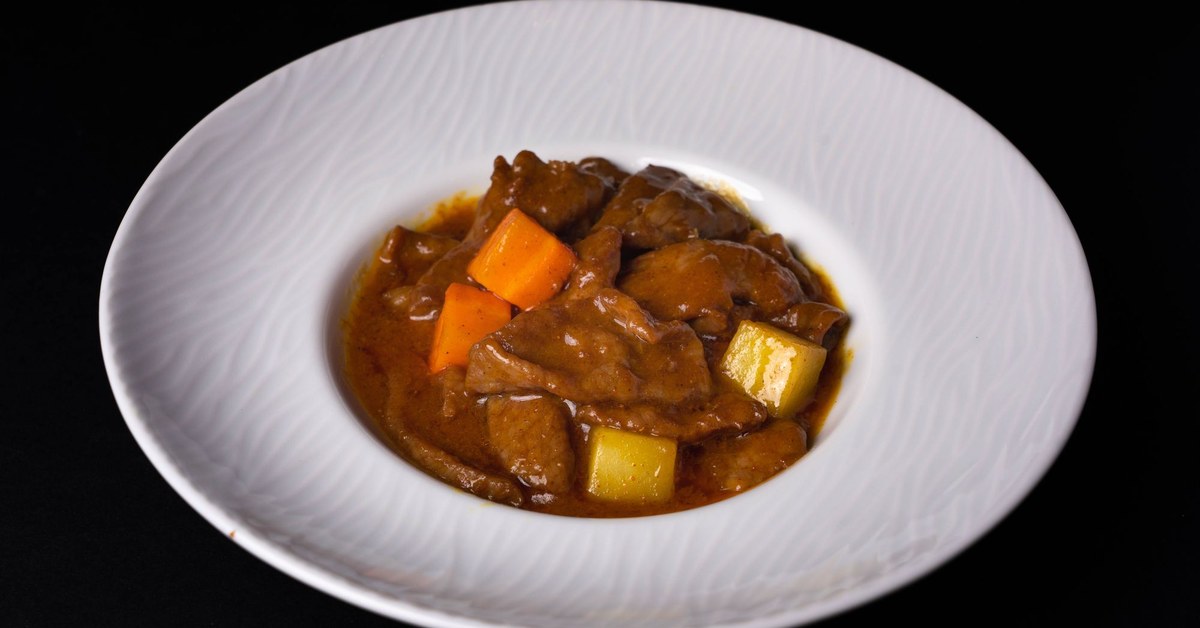
Cut 2½ lb of beef chuck into 1½-inch cubes, season, dust with flour and brown in batches in a Dutch oven. Soften onion and garlic, stir in tomato paste, deglaze with wine, add broth and herbs, and simmer gently, covered, 1½ hours. Add carrots and potatoes and simmer 45–60 minutes more, until the beef is fork-tender. Add peas for the last 5 minutes.
Handy for this: Internal temperature chart · Reheating guide · AI recipe generator
At a glance
- Cut 2½ lb beef chuck into 1½-inch cubes, pat dry, season with salt and pepper and toss with flour.
- Brown the beef in batches in hot oil in a Dutch oven, 4–5 minutes per batch, then set it aside.
- Cook the onion 5 minutes, add garlic and tomato paste for 1 minute, then deglaze with red wine.
- Add broth, Worcestershire, bay leaves, thyme and the beef; bring to a simmer, cover and cook on low for 1½ hours.
- Add carrots and potatoes and simmer, covered, 45–60 minutes more until the beef is fork-tender.
- Stir in peas for 5 minutes, taste for salt, rest 10 minutes and serve with parsley.
The short version
Good beef stew is mostly patience. Brown cubes of chuck in a heavy pot, a few at a time, until they're deeply colored. Build a sauce on the browned bits with onion, tomato paste, wine and broth. Then put the lid on and let it barely bubble for 2–2½ hours, adding the carrots and potatoes partway through so they hold their shape.
The beef is ready when a fork slides into a cube and it falls apart with almost no push. If it still feels springy, it simply needs more time.
What you need
- Beef chuck. 2½ lb (1.1 kg) of boneless chuck roast, cut into 1½-inch (4 cm) cubes. Chuck has the fat and connective tissue that melts into tender, juicy bites. Lean cuts like sirloin turn dry and stringy over a long simmer.
- Seasoning and flour. 1½ teaspoons kosher salt, ½ teaspoon black pepper and 3 tablespoons all-purpose flour.
- Oil. 3 tablespoons of olive or vegetable oil for browning.
- Aromatics. 1 large yellow onion, chopped; 3 cloves garlic, minced; 2 tablespoons tomato paste.
- Liquid. 1 cup (240 ml) dry red wine (or more broth), 4 cups (950 ml) low-sodium beef broth and 1 tablespoon Worcestershire sauce.
- Herbs. 2 bay leaves and 1 teaspoon dried thyme.
- Vegetables. 1 lb (450 g) carrots in 1-inch (2.5 cm) pieces, 1½ lb (680 g) Yukon Gold potatoes in 1½-inch chunks, 1 cup (150 g) frozen peas and 2 tablespoons chopped parsley.
- A Dutch oven. A 5–7 quart heavy pot with a tight lid. Enameled cast iron is ideal because it holds steady, gentle heat for hours.
Chopping the onion first? Our guide on how to sauté onions shows what soft, golden onions look like.
How to make beef stew on the stove
- Cube and dry the beef. Trim any thick, hard pieces of fat and cut the chuck into even 1½-inch cubes. Pat them very dry with paper towels. Wet meat steams instead of browning.
- Season and flour. Toss the cubes with the salt and pepper, then the flour, until each piece has a light, dusty coat.
- Brown in batches. Heat 1 tablespoon of oil in the Dutch oven over medium-high until it shimmers. Add about a third of the beef in one layer with space between the cubes. Leave it alone for 2–3 minutes, then turn and brown another side, 4–5 minutes per batch total. Move it to a plate and repeat with the remaining oil and beef.
- Soften the onion. Lower the heat to medium. Add the onion and a pinch of salt and cook about 5 minutes, scraping the bottom as the onion releases moisture. Stir in the garlic and tomato paste and cook 1 minute, until the paste turns a shade darker.
- Deglaze. Pour in the wine and scrape up every brown bit stuck to the pot. Let it bubble 2–3 minutes until reduced by about half.
- Simmer the beef. Add the broth, Worcestershire, bay leaves, thyme and the beef with any juices on the plate. Bring it to a simmer, then cover and turn the heat to low. You want a few lazy bubbles breaking the surface every second or two. Cook 1½ hours, stirring every 30 minutes.
- Add the vegetables. Stir in the carrots and potatoes, pushing them under the liquid. Cover and simmer 45–60 minutes more, until the beef is fork-tender and a knife slides easily into the potatoes.
- Finish. Fish out the bay leaves. Stir in the peas and cook 5 minutes. Taste and add salt and pepper until it tastes rich and rounded. Rest the stew off the heat for 10 minutes, then scatter with parsley.
Prefer the oven? After step 6, put the covered pot in a 325°F (165°C) oven for the same times. The heat wraps around the pot, so you can stir less often.
Beef stew timing table
Times are for 1½-inch chuck cubes at a gentle simmer in a covered Dutch oven. Smaller cubes go a little faster; bigger ones take longer.
| Stage | Heat | Time | What you're looking for |
|---|---|---|---|
| Brown beef (per batch) | Medium-high | 4–5 min | Deep brown crust on 2 sides |
| Onion | Medium | 5 min | Soft, translucent |
| Garlic and tomato paste | Medium | 1 min | Paste turns brick red |
| Deglaze wine | Medium-high | 2–3 min | Reduced by half |
| Simmer beef alone | Low, covered | 1½ hours | Beef firm but starting to soften |
| Simmer with carrots and potatoes | Low, covered | 45–60 min | Beef fork-tender, potatoes soft |
| Peas | Low | 5 min | Bright green and hot |
| Rest | Off heat | 10 min | Sauce settles and thickens slightly |
Want the numbers for other cuts? Our internal temperature chart lists safe and ideal temperatures for beef, pork and poultry.
“The cubes are a deep mahogany on two sides and they release on their own. Move this batch out and start the next one.”
How to tell when beef stew is done
Stew isn't about hitting a single number. It's about texture, and your senses tell you more than the clock.
Sight
- During browning, the cubes should be a dark, mahogany brown on at least two sides. Gray, wet-looking meat means the pot is too crowded.
- When it's done, the cubes look slightly shrunk and loose at the edges, with fibers you can see starting to separate.
- The sauce turns glossy and coats the back of a spoon instead of running off like broth.
Sound
- A strong, steady sizzle when the beef hits the oil means the pot is hot enough. A weak hiss and bubbling liquid mean the meat is steaming, so wait for the pot to recover.
- During the long simmer, listen for a soft, slow blip-blip. A loud, rolling rumble means the heat is too high.
Smell
- Browning beef smells savory and roasted. Tomato paste smells sweet and toasty when it's ready for the wine.
- After about 2 hours the kitchen smells deep and beefy. If you catch a sharp, bitter note, check the bottom of the pot and add a splash of broth.
Touch
- Press a cube against the side of the pot with a spoon. Done beef breaks apart with gentle pressure.
- Stick a fork in and lift. If the cube slides right off, it's ready. If it clings to the fork, give it 20–30 minutes more.
Temperature
USDA lists 145°F (63°C) with a 3-minute rest as the safe minimum for whole cuts of beef, and stew passes that early. Tenderness comes much later: chuck softens once it has spent a long time near a simmer, around 190–205°F (88–96°C) inside, which is where the collagen melts. When you reheat leftovers, bring them to 165°F (74°C).
The browning is the step most people rush, and it's the one Pan watches closely: it looks at each batch and tells you when the crust is deep enough to turn or move on.
Tips for better beef stew
- Cube it yourself. A whole chuck roast cut into even pieces cooks evenly. Packaged stew meat often mixes lean and fatty cuts, so some pieces soften long before others.
- Don't crowd the pot. Three batches feels slow, but each batch builds the brown layer on the bottom of the pot that flavors the whole stew.
- Keep it at a simmer, not a boil. A hard boil tightens the meat and can leave it dry even when the sauce is wet.
- Add vegetables later. Carrots and potatoes go in for the last 45–60 minutes so they're tender, not mushy.
- Make it a day ahead. Stew tastes even better the next day. Chill it overnight, lift off the hardened fat, and reheat gently.
- Brighten at the end. A teaspoon of red wine vinegar or a squeeze of lemon right before serving wakes up the flavors after hours of simmering.
Easy variations
Irish-style
Swap the red wine for 1 cup (240 ml) of stout and add a few parsnips with the carrots.
Mushroom
Brown 8 oz (225 g) of quartered cremini mushrooms after the beef and before the onion. See how to cook mushrooms for how golden to take them.
Slow cooker finish
Do steps 1–5 on the stove, then move everything except the peas to a slow cooker and cook on low 7–8 hours.
What to serve with beef stew
Beef stew is a full meal, but crusty bread for the sauce is never a bad idea. If you leave out the potatoes, spoon it over creamy mashed potatoes, buttered egg noodles or rice. A sharp green salad balances all that richness.
Love this kind of slow, cozy cooking? Try a Sunday pot roast, which uses the same cut in one big piece, or a pot of beef chili for game day. Have leftovers? The reheating guide covers the stove, oven and microwave.
Want it hands-off? Brown the beef, then let it go all day: our guide to how to use a slow cooker has low and high times and the fill line, and how to use a pressure cooker gets the same stew done in about 35 minutes.
Stew still watery? How to thicken soup works for stew too.
Out of Worcestershire? Use this Worcestershire substitute.
The best pot for stew is a heavy one with a tight lid. Here's what a Dutch oven is.
Like tough cuts that turn tender? Learn what brisket is and how to cook it.
Short on fresh vegetables? Use frozen ones; see can you freeze carrots and can you freeze cabbage.
For a goulash-style stew with paprika, see substitute for paprika.
Pan watches it for you
Pan tells you when each batch is browned
Browning is where stew gets its flavor, and it's the part that needs watching. Pan keeps an eye on the color of each batch and the bottom of the pot, then lets you know when to turn, move on, or turn the heat down.
- Cubes crowding and steaming instead of sizzling: take a few out
- Deep brown crust on the down side and the cube lets go: turn it
- Dark brown film on the bottom of the pot getting very dark: lower the heat a notch
- Liquid rolling at a full boil during the simmer: turn it down to a lazy bubble
Pan AI is on iPhone • Android.
Common questions
How long does beef stew take on the stove?
Plan on about 3 hours from start to finish: 25 minutes of prep and browning, then 2–2½ hours of gentle simmering. Chuck needs that long for its connective tissue to melt so the cubes turn fork-tender.
What is the best cut of beef for stew?
Boneless chuck roast is the best choice. It has enough fat and collagen to stay juicy and silky after a long simmer. Buy a whole roast and cube it yourself so the pieces are even; pre-cut stew meat is often a mix of cuts that cook at different speeds.
Why is my beef stew meat tough?
Almost always because it needs more time. Chuck firms up first, then softens once the collagen breaks down. Keep it at a lazy simmer, not a boil, and give it another 20–30 minutes. A hard boil tightens the meat and can leave it dry.
How do you thicken beef stew?
The flour on the beef thickens it as it simmers. For a thicker stew, mash a few potato chunks against the side of the pot, or stir 1 tablespoon cornstarch into 2 tablespoons cold water, add it and simmer 2–3 minutes.
Can I make beef stew without wine?
Yes. Replace the wine with the same amount of beef broth plus 1 tablespoon of red wine vinegar or balsamic vinegar for a little brightness.
How long does beef stew keep, and how do I reheat it?
Cool it quickly and refrigerate within 2 hours. It keeps 3–4 days in the fridge or about 3 months in the freezer. Reheat on the stove until it bubbles and reaches 165°F (74°C).
Sources
- USDA FSIS: Safe Minimum Internal Temperature Chart
- USDA FSIS: Leftovers and Food Safety
- RecipeTin Eats: Beef Stew
Reviewed against USDA FSIS guidance. How we choose sources and fix mistakes: editorial policy.
Keep cooking
- Soups & stewsHow to Make Pot RoastBraise a 3–4 lb chuck roast covered at 300–325°F for 3–4 hours, until it shreds with a fork at about 195–205°F. Sear first and add carrots near the end.
- Vegetables & fruitHow to Make Mashed PotatoesBoil peeled Yukon Gold chunks in salted water 15–20 minutes until a fork slides in, then mash with warm butter and milk. Ratios, times and fixes inside.
- Soups & stewsHow to Make ChiliMake beef chili by browning ground beef to 160°F, blooming the spices, then simmering with tomatoes for 45–90 minutes. Beans optional, times and cues inside.
- Soups & stewsHow to Make SoupMake soup by softening aromatics 8–10 minutes, adding stock, then simmering ingredients in order of cook time, 20–40 minutes total. Timing table and template.
- Soups & stewsHow to Make French Onion SoupMake French onion soup by caramelizing onions 45–60 minutes over medium-low heat, simmering them in beef broth 20–30 minutes, then broiling cheese toast on top.
- Soups & stewsHow to Make Lentil SoupMake lentil soup on the stove in 40–50 minutes: soften onion, carrot and celery, add lentils and broth, then simmer 15–20 min for red or 25–35 for brown.
- Free toolInternal temperature chartSafe and perfect internal temperatures for steak, chicken, salmon, pork and more, plus a printable PDF.
- Free toolReheating guideHow to reheat fried chicken, steak, prime rib, rice and 20+ leftovers so they taste fresh.
- Free toolAI recipe generatorType what is in your fridge and get one simple, step-by-step recipe that uses only what you have.