How to Cook Kale
Quick answer
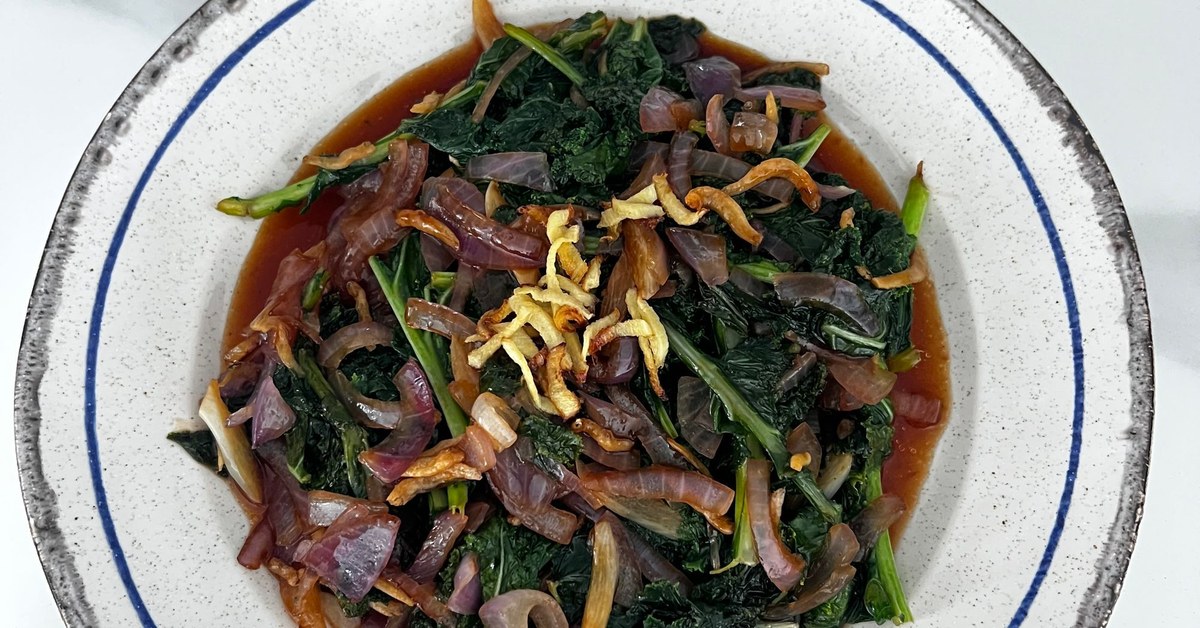
Strip a large bunch of kale off the stems and chop the leaves. Warm 2 tablespoons of olive oil in a 12-inch skillet over medium heat, add 2 sliced garlic cloves for 30–60 seconds, then the kale. Add 2–3 tablespoons of water, cover 2 minutes, then uncover and toss 2–4 minutes more until dark green and tender. Finish with salt and lemon.
Handy for this: What can I make? · AI recipe generator
At a glance
- Wash the kale, strip the leaves off the tough stems and chop or tear them into bite-size pieces.
- Warm 2 tablespoons of olive oil in a 12-inch skillet over medium heat.
- Add sliced garlic and cook 30–60 seconds until fragrant and pale gold.
- Add the kale and toss to coat in the oil.
- Add 2–3 tablespoons of water, cover for 2 minutes, then uncover and cook 2–4 minutes more.
- Season with salt, pepper and lemon juice and serve.
The short version
Kale is tougher than spinach, so it needs a little more help. Strip off the stems, chop the leaves, and soften them in garlicky olive oil over medium heat. A couple tablespoons of water and a lid for 2 minutes do the heavy lifting. Then take the lid off and toss for a few more minutes until the leaves are deep green, glossy and tender. Total time on the stove is about 5–7 minutes.
Salt and a squeeze of lemon at the end take it from "healthy" to something you actually want a second helping of.
What you need
- 1 large bunch kale (about 10 oz / 280 g). Curly or lacinato both work. A big bunch looks like a lot, but it shrinks to about 3 cups cooked, enough for 4 small sides.
- 2 tbsp olive oil. Kale likes a generous amount of fat.
- 2 garlic cloves, thinly sliced. Slices are more forgiving than minced garlic and less likely to go too dark.
- 2–3 tbsp water. Or broth, for a little extra flavor.
- ¼ tsp salt. Plus more to taste.
- ¼ tsp red pepper flakes (optional).
- 1 tsp lemon juice. Red wine or apple cider vinegar also works.
- A 12-inch skillet with a lid, and tongs. Raw kale is bulky. A big pan holds it all, and tongs make tossing easy.
How to prep kale
Fill a large bowl with cool water and swish the leaves around to loosen any grit, then lift them out and shake them off. To strip the stems, hold the bottom of the stem in one hand, pinch the leaf around it with the other, and pull up along the rib. The leaf comes right off. Stack the leaves and chop them into 1–2-inch (2.5–5 cm) pieces.
A little water still clinging to the leaves is fine here, since it helps the kale steam. If you want to use the stems, slice them very thin and cook them in the oil for 2–3 minutes before the leaves.
How to sauté kale
- Warm the oil. Set the skillet over medium heat and add the olive oil. Give it about 1 minute, until it moves easily when you tilt the pan.
- Cook the garlic. Add the sliced garlic and pepper flakes. Stir for 30–60 seconds, until the garlic smells sweet and the edges turn pale gold.
- Add the kale. Pile it in. It'll overflow the pan at first, and that's fine. Toss with tongs for about 1 minute to coat the leaves in oil.
- Cover with a splash of water. Add 2–3 tablespoons of water. It'll steam up. Cover and cook 2 minutes. The pile will collapse to about half its height.
- Uncover and toss. Cook 2–4 minutes more, tossing often, until the water is gone and the leaves are tender with a little chew left.
- Season. Off the heat, add salt and lemon juice. Toss, taste, and add a pinch more salt if it needs it.
Kale cooking times by type and method
Times assume stems removed and leaves chopped into bite-size pieces. Older, thicker leaves need the longer end of each range.
| Kale type | Method | Heat | Time | Ready when |
|---|---|---|---|---|
| Curly kale | Sautéed with splash of water | Medium | 5–7 min | Dark green, tender, a little chew |
| Lacinato (Tuscan) | Sautéed | Medium | 4–5 min | Silky, deep green |
| Baby kale | Sautéed | Medium | 1–2 min | Just wilted |
| Frozen chopped kale | Sautéed uncovered | Medium | 5–7 min | Hot, no water left in pan |
| Curly kale | Blanched in boiling water | Rolling boil | 2–3 min | Bright green, soft |
| Kale chips | Baked | 300°F (150°C) | 15–20 min | Crisp, still green |
For other greens, check our guides on how to cook spinach and how to cook bok choy. Spinach wilts in about a minute, so it goes in much later than kale.
“The kale just turned deep, glossy green and the water's gone. Add your lemon and salt and take it off the heat.”
How to tell when kale is done
Kale has a wider window than most greens. It's tasty a little firm and tasty soft. These cues help you find your favorite point.
Sight
- Raw kale is matte and blue-green or dark green. As it cooks it turns a brighter, glossier green, then a deep forest green when it's fully tender.
- The pile shrinks to about a third of its raw size. When the leaves lie flat and no longer spring up, it's nearly there.
- Kale that turns dull olive or grayish has cooked a bit long. It's still good to eat, just softer.
Sound
- When the water hits the pan you'll hear a loud hiss, then a gentle bubbling under the lid. When you uncover, a quiet sizzle tells you the water has cooked off and the kale is frying gently in the oil again.
Smell
- Garlic should smell sweet and toasty. If it smells sharp or bitter, it's gone too far. Wipe the pan and start the garlic again, since that flavor carries into the kale.
- Cooked kale smells green and a little earthy. A strong cabbage smell means it's been on the heat a while.
Touch and taste
- Grab a piece with tongs. Tender kale drapes and folds. Undercooked kale stays stiff at the edges.
- Taste one. It should be tender with a slight chew and no raw, grassy bite.
Temperature
Kale has no safety temperature, since doneness is about texture. Wash it well in cool water before cooking, as the FDA recommends for leafy greens. Reheat leftovers to 165°F (74°C).
Two moments matter here, the garlic and the final wilt. Pan watches both and tells you when to add the kale and when to take it off the heat.
Tips for better sautéed kale
- Don't skip the stems step. Kale ribs stay woody long after the leaves are soft. Strip them or cook them separately.
- Use a lid. A quick covered steam softens curly kale far faster than tossing alone.
- Salt at the end. Kale shrinks a lot, so it's easy to oversalt if you season the raw pile.
- Balance with acid. Lemon juice or a splash of vinegar softens kale's bitter edge. A little honey or a few raisins does too.
- Add texture. Toasted pine nuts, sliced almonds, crispy bacon or a shaving of Parmesan make it feel finished.
Easy variations
- Kale with bacon. Cook 3 slices of chopped bacon first, then use the fat instead of olive oil. Our guide on how to cook bacon has the timing.
- Kale and white beans. Stir in a drained can of cannellini beans with the water and cook until hot.
- Asian-style. Use sesame oil and ginger with the garlic, then finish with soy sauce and rice vinegar.
- With onions. Soften half a sliced onion for 5 minutes before the garlic. See how to sauté onions.
What to serve with kale
Garlicky kale goes with roast chicken, sausage, salmon and steak. Pile it next to a fried or poached egg, stir it into pasta or soup, or tuck it into grain bowls with roasted sweet potatoes. It's also a good partner for sautéed zucchini on a simple vegetable plate.
Not sure what to make with the rest of the bunch? Try our AI recipe generator for ideas.
Collards are kale's sturdier cousin and want a longer cook: see how to cook collard greens, Southern style or in a quick sauté.
Greens freeze for cooking; see can you freeze spinach.
Kale freezes; salad lettuce doesn't. See can you freeze lettuce.
Too much kale? See can you freeze kale for the 2-minute blanch.
Pan watches it for you
Pan tells you when the kale is ready
Pan watches the garlic and the leaves. It tells you when the garlic is pale gold so the kale goes in on time, and again when the leaves turn deep, glossy green and the water has cooked off.
- Garlic slices turning pale gold at the edges: add the kale now
- Leaves bright green and still standing up: cover with a splash of water
- Pile shrunk by half and leaves glossy dark green: uncover and toss
- Pan dry and quiet with no water left: season and serve
Pan AI is on iPhone • Android.
Common questions
How long do you sauté kale?
Curly kale takes 5–7 minutes over medium heat: about 1 minute to coat in oil, 2 minutes covered with a splash of water, then 2–4 minutes uncovered. Lacinato (Tuscan) kale is more tender and takes 4–5 minutes. Baby kale wilts in 1–2 minutes.
Do you have to remove kale stems?
For curly and lacinato kale, yes. The thick center ribs stay tough long after the leaves are tender. Strip them off, or slice them thin and cook them 2–3 minutes before adding the leaves. Baby kale stems are tender and can stay.
How do you make kale less bitter?
Cook it until fully tender, add a little fat, salt it well, and finish with acid like lemon juice or vinegar. A small pinch of sugar, a drizzle of honey or a handful of raisins also balances the bitterness.
Which kale is best for sautéing?
Lacinato kale (also called Tuscan, dinosaur or cavolo nero) is the most tender and sweet. Curly kale works well too but needs a minute or two longer and a splash of water to soften. Red Russian kale is mild and cooks quickly.
Can you sauté frozen kale?
Yes. Add it straight from frozen to a skillet with warm oil and garlic over medium heat. Cook uncovered for 5–7 minutes, stirring, until the water cooks off and the kale is hot and tender.
How long does cooked kale last?
Refrigerate cooked kale in a covered container for 3–5 days. Reheat it in a skillet over medium heat for 2–3 minutes, or in the microwave, until it reaches 165°F (74°C).
Sources
Reviewed against FDA guidance. How we choose sources and fix mistakes: editorial policy.
Keep cooking
- Vegetables & fruitHow to Cook SpinachSauté spinach with garlic in a hot skillet for 2–3 minutes, just until wilted and bright green. A 10 oz bag cooks down to about 1 cup. Ratios and cues.
- Vegetables & fruitHow to Cook Bok ChoyCook bok choy in under 10 minutes: sear, then steam with a splash of water. Times for baby and large bok choy, plus the cues for tender stems and bright leaves.
- Vegetables & fruitHow to Cook CabbageSauté sliced cabbage over medium-high 8–10 minutes, braise wedges 25–30, or boil wedges 10–12 until tender and sweet. Times, cues and tips for each.
- Vegetables & fruitHow to Cook ZucchiniSauté zucchini over medium-high heat for 5–7 minutes, tossing only a few times, until golden on the cut sides and just tender. Cuts, times and cues.
- Vegetables & fruitHow to Cook EggplantPan-fry ½-inch eggplant slices 3–4 minutes per side, or roast cubes at 425°F for 20–25 minutes, until golden and creamy inside. Prep, times and cues.
- Vegetables & fruitHow to Cook Frozen CornSauté frozen corn in butter over medium-high for 6–8 minutes, boil it 3–5 minutes, microwave 4–5 minutes or roast at 425°F for 20–25 minutes. No thawing needed.
- Free toolWhat can I make?Type what is in your fridge and get simple recipes you can cook right now.
- Free toolAI recipe generatorType what is in your fridge and get one simple, step-by-step recipe that uses only what you have.