Cooking for Beginners: Everything You Need to Start
Quick answer
Start with three tools (a 10-inch skillet, a chef's knife and an instant-read thermometer) and one technique a day. Read the whole recipe first, prep everything before the heat goes on, preheat the pan, season with salt, and cook meat to safe temperatures: 165°F for chicken, 160°F for ground beef, 145°F for steaks, pork chops and fish. A week of simple meals builds real skill.
Handy for this: Internal temperature chart · What can I make?
At a glance
- Read the whole recipe before you start.
- Prep and measure every ingredient before turning on the heat.
- Preheat the pan for 2 to 3 minutes over medium.
- Add fat, then food, and give it room.
- Watch the color and listen to the sizzle before you flip or stir.
- Check doneness with a thermometer for meat, and taste everything else.
- Season at the end with salt and a squeeze of lemon.
Start here: the beginner cooking formula
Cooking is a handful of repeatable moves, not a thousand recipes. Learn to control heat, use salt, and recognize when food is done, and every recipe after that gets easier.
The fastest path is simple: one new technique a day, cooked with ingredients you already like. By the end of a week you can make breakfast, a weeknight dinner and a side without a recipe open.
The 8 kitchen tools beginners actually need
You can cook almost every beginner recipe with eight items. Buy good versions of the first three and inexpensive versions of the rest.
| Tool | Why you need it | What to look for |
|---|---|---|
| 10- or 12-inch skillet | Searing, sautéing, eggs, stir-fries | Stainless or cast iron for searing, nonstick for eggs |
| 8-inch chef's knife | Nearly all chopping | Feels balanced in your hand, kept sharp |
| Instant-read thermometer | Knowing meat is done and safe | Reads in 3 to 5 seconds |
| Large cutting board | Stable, safe chopping | Wood or plastic, at least 12 x 18 inches |
| 3-quart saucepan with lid | Rice, oatmeal, sauces, boiling eggs | Heavy base so it heats evenly |
| Sheet pan | Roasting vegetables and chicken | Rimmed, heavy-gauge aluminum |
| Tongs and a thin spatula | Flipping and turning | Tongs with a firm spring, a flexible fish spatula |
| Measuring cups and spoons | Rice ratios and baking | A basic metal set |
Not sure which pan to buy first? Our guide to skillet vs frying pan explains the names, materials and sizes. If you choose cast iron, here is how to clean a cast iron pan so it gets better every time you use it.
10 core cooking techniques for beginners
Each of these unlocks a whole family of dishes. Work through them in order; each one builds on the last.
1. Hold a knife and dice an onion
Grip the handle right where it meets the blade, and curl the fingers of your other hand into a claw so your knuckles guide the knife. Halve the onion through the root, peel it, slice it, then cut across. The root holds it together while you work.
2. Preheat the pan
Put the empty pan on medium for 2 to 3 minutes before adding oil. A properly hot pan is the secret to browning and to food releasing cleanly. Oil that shimmers and flows like water is ready.
3. Sauté
Sautéing means cooking small pieces in a little fat over medium to medium-high, stirring now and then. Onions are the perfect practice ingredient: see how to sauté onions for the color stages from soft to deep golden.
4. Sear
Searing is high, steady heat with the food left alone until a golden crust forms and it releases from the pan. Practice on hamburgers on the stove, then move to steak on the stove or pork chops on the stove.
5. Boil and simmer
A boil is big, rolling bubbles; a simmer is small bubbles breaking the surface gently. Pasta and potatoes boil, while soups, sauces and grains simmer. Our boiling times chart gives minutes for chicken, broccoli, potatoes, corn and more.
6. Cook rice and grains
Rinse, measure, bring to a boil, then cover and keep at the lowest simmer. Start with jasmine rice on the stove, then try lentils and quinoa on the stove for easy protein. Oatmeal on the stove uses the same simmer skill for breakfast.
7. Cook eggs
Eggs teach gentle heat better than anything. Learn how to make a fried egg sunny side up, then boiled eggs with our egg timer, which gives exact minutes for soft, jammy and hard-boiled yolks.
8. Cook chicken
Chicken thighs are the friendliest place to start because they stay juicy over a wide range of temperatures. Try pan fried chicken thighs first, then chicken breast on the stove once you trust your thermometer.
9. Cook vegetables and fish
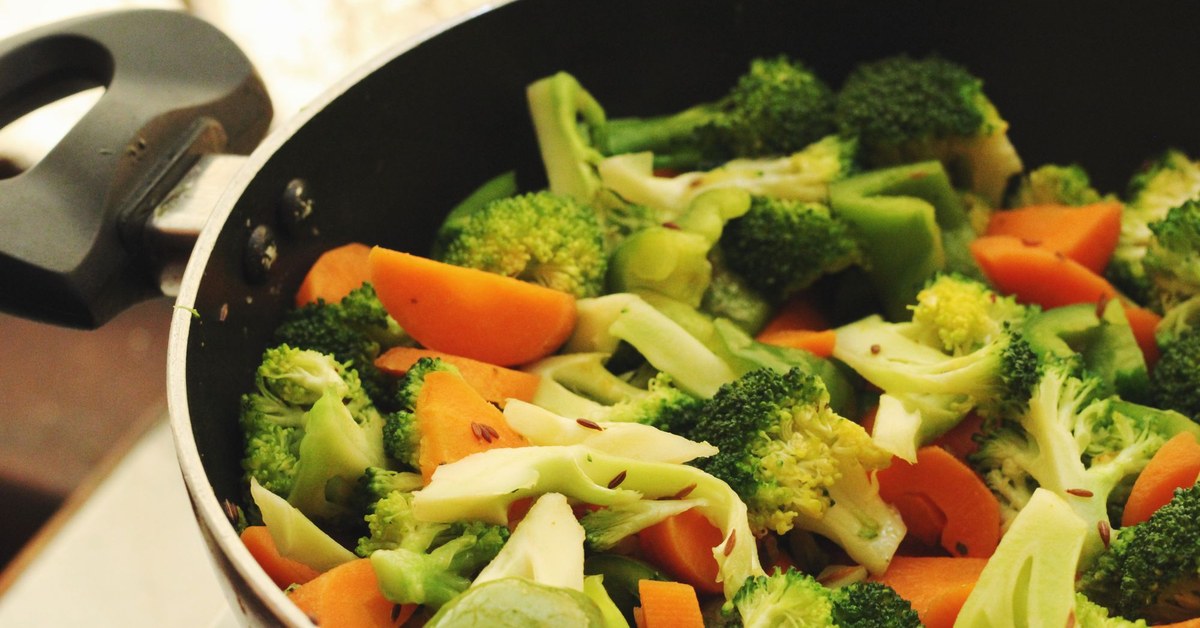
The steam-then-sear method in how to cook vegetables on the stove works for asparagus, carrots, potatoes and broccoli. For fish, salmon on the stove is forgiving and cooks in about 8 minutes.
10. Season and taste
Salt brings flavor forward, acid (lemon, vinegar) brightens it, and fat (butter, olive oil) rounds it out. Taste before serving and ask: does it need salt, acid or richness? Adjusting one of those three is how good food becomes great.
Your first-week cooking plan
One technique per day, each dish under 30 minutes. Cook it, eat it, and notice what the food looked and sounded like when it was ready.
| Day | Cook this | Skill you learn | Time |
|---|---|---|---|
| 1 | Fried eggs and toast | Preheating, gentle heat | 10 min |
| 2 | Jasmine rice and sautéed onions with garlic | Simmering, dicing, sautéing | 25 min |
| 3 | Stovetop burgers | Searing, flipping once, thermometer at 160°F | 15 min |
| 4 | Pan fried chicken thighs with green beans | Crisping skin, cooking to temperature | 30 min |
| 5 | Pasta with garlic, olive oil and broccoli | Boiling, timing two things at once | 20 min |
| 6 | Salmon and skillet potatoes | Searing fish, steam-then-crisp potatoes | 30 min |
| 7 | Fridge clean-out stir-fry with leftover rice | Cooking without a recipe | 20 min |
For Day 7, our what can I make with my ingredients tool turns whatever is left in your fridge into a dinner idea.
“Your pan is hot and the oil is shimmering. Lay the chicken in now, away from you, and leave it alone.”
How to tell when food is done
This is the skill that turns a nervous cook into a confident one. Recipes give times, but your stove, pan and ingredients are unique, so learn the cues instead.
Sight
- Golden brown on the outside means flavor has developed. Meat, potatoes and onions all go from pale to golden to deep brown.
- Opaque all the way through for fish and shrimp. Salmon flakes easily at the thickest point.
- Clear juices from chicken are a nice hint, but use a thermometer to confirm.
Sound
- A lively sizzle when food hits the pan means it was hot enough. Silence means wait a little longer next time.
- When sizzling turns from a wet hiss to a dry crackle, the moisture is gone and browning is happening.
Smell
- Nutty and toasty means browning. Garlic smells sweet and fragrant within 30 to 60 seconds, which is your cue to add the next ingredient.
Touch
- Meat and fish release from the pan on their own when the crust is ready. If it sticks, give it another minute.
- Pasta and vegetables: bite one. Tender with a little resistance in the center is just right.
Internal temperature
For meat and fish, an instant-read thermometer is the final word. Insert it into the thickest part, away from bone.
| Food | USDA safe minimum |
|---|---|
| Chicken and turkey, all cuts and ground | 165°F (74°C) |
| Ground beef, pork and lamb | 160°F (71°C) |
| Steaks, chops and roasts (beef, pork, lamb, veal) | 145°F (63°C) plus a 3-minute rest |
| Fish and shellfish | 145°F (63°C) |
| Egg dishes | 160°F (71°C) |
| Leftovers and casseroles | 165°F (74°C) |
Our doneness temperatures chart covers every cut, including rare to well-done steak, and the full guide to how to tell when food is done adds cues for pasta, rice, cheesecake and pie.
Beginner habits that make cooking easier
- Read the recipe twice. Once to understand it, once to make a list of what to prep.
- Prep everything first. Chop, measure and line everything up before the stove goes on. Then the cooking part is calm.
- Use medium heat until you know your stove. Medium-high is for searing; most other cooking happens at medium.
- Pick the right oil. Olive oil and butter for medium heat, avocado or canola for searing. Our smoke points of oils chart shows which oil handles which heat.
- Give food space. A crowded pan steams. Two batches brown beautifully.
- Repeat a dish. Cooking the same thing three times teaches you more than three different recipes.
- Clean as you go. Wash a bowl while the rice simmers, and dinner ends with a tidy kitchen.
Cooking with someone beside you is the fastest way to learn, and that is why we built Pan AI: it watches your pan through your phone camera and speaks up at the moment to flip, stir or pull. Until then, this page and the guides it links to are your kitchen friend. You've got this.
Where to go next
Two pages pull everything together when you want the full picture: every way to cook an egg, with times side by side, and how to cook meat, chicken and fish, starting from the one temperature each needs.
Once your first week feels good, branch out with dishes that use the same skills: brats on the stove for searing and simmering together, pan fried fish for delicate flipping, pan seared scallops for a fast high-heat sear, and popcorn on the stove for a fun lesson in listening to your pan. When you are ready for a special dinner, try how to reverse sear steak.
Want help at the stove itself? Pan AI is a hands-free cooking app that watches your pan and tells you when to flip, stir or turn the heat down.
Collecting recipes as you learn? See the best recipe apps for saving and planning them.
Common questions
What should a beginner cook first?
Eggs, rice and a sheet of roasted or sautéed vegetables are the best first dishes. They are cheap, quick and teach heat control. Move on to chicken thighs and pasta once those feel comfortable.
What are the basic cooking skills everyone should know?
Holding a knife and dicing an onion, preheating a pan, sautéing, searing, boiling and simmering, cooking rice, frying an egg, roasting, seasoning to taste, and checking doneness. Those ten cover most weeknight recipes.
How can I learn to cook fast?
Cook the same few dishes several times in a row instead of a new recipe every night. Repetition teaches you what the right color, sound and texture look like, which is what makes cooking feel easy.
Do I need expensive cookware to start cooking?
No. A 10-inch skillet, a medium saucepan, a sheet pan and one sharp chef's knife handle almost every beginner recipe. Add an instant-read thermometer, which costs less than most knives and gives you confidence with meat.
How do I know when meat is cooked as a beginner?
Use an instant-read thermometer in the thickest part. USDA safe minimums are 165°F for poultry, 160°F for ground meat, and 145°F with a 3-minute rest for whole cuts of beef, pork and lamb, and 145°F for fish.
What three tools does a beginner cook need first?
A 10-inch skillet, a chef's knife and an instant-read thermometer. Buy good versions of those and inexpensive versions of the rest.
How long should you preheat a pan?
About 2 to 3 minutes over medium heat, then add the fat and then the food, giving it room.
What safe temperatures should a beginner know?
165°F for chicken, 160°F for ground beef, and 145°F for steaks, pork chops and fish.
Sources
- USDA FSIS: Safe Minimum Internal Temperature Chart
- FoodSafety.gov: Safe Minimum Internal Temperatures
- Escoffier: Learning How to Cook, A Guide for Beginners
Reviewed against USDA FSIS and FoodSafety.gov guidance. How we choose sources and fix mistakes: editorial policy.
Keep cooking
- Eggs & breakfastHow to Fry an EggFry a sunny side up egg over medium-low heat, covered, for 2–3 minutes until the white sets and the yolk stays runny. Times for every fried egg style.
- Meat & poultryHow to Cook Chicken Breast on the StoveCook a ¾-inch chicken breast on the stove 5–6 minutes per side over medium-high, then medium, until it reads 165°F. Times by thickness and doneness cues.
- Vegetables & fruitHow to Sauté OnionsSauté onions in 1 tablespoon of fat over medium heat: soft in 5 minutes, golden in 10 to 15, caramelized in 40+. Plus quick green bean and shrimp sautés.
- Start hereHow to Tell When Food Is DoneHow to tell when chicken, steak, fish, chorizo, eggs, pasta, rice, cheesecake and pecan pie are done, with safe temperatures and simple sight and touch cues.
- Start hereChatGPT for Cooking vs Pan AI: What Changes on December 11, 2026ChatGPT voice changes on Dec 11, 2026, and Live has no video. An honest ChatGPT cooking alternative that watches your pan, and where ChatGPT still wins.
- Start herePan AI vs Samsung FoodSamsung Food saves recipes, plans meals and builds shopping lists. Pan AI watches your pan and tells you when to flip. Where each one is better, side by side.
- Free toolInternal temperature chartSafe and perfect internal temperatures for steak, chicken, salmon, pork and more, plus a printable PDF.
- Free toolWhat can I make?Type what is in your fridge and get simple recipes you can cook right now.