How to Make a Stir Fry
Quick answer
Cut everything before you turn on the heat. Mix 3 tablespoons soy sauce, 2 tablespoons water, 1 tablespoon sugar or honey and 1 teaspoon cornstarch. Sear 1 lb of sliced chicken in oil over high heat 4–5 minutes to 165°F (74°C) and set it aside. Stir fry the vegetables 3–5 minutes, return the chicken, add the sauce and toss 1 minute until glossy.
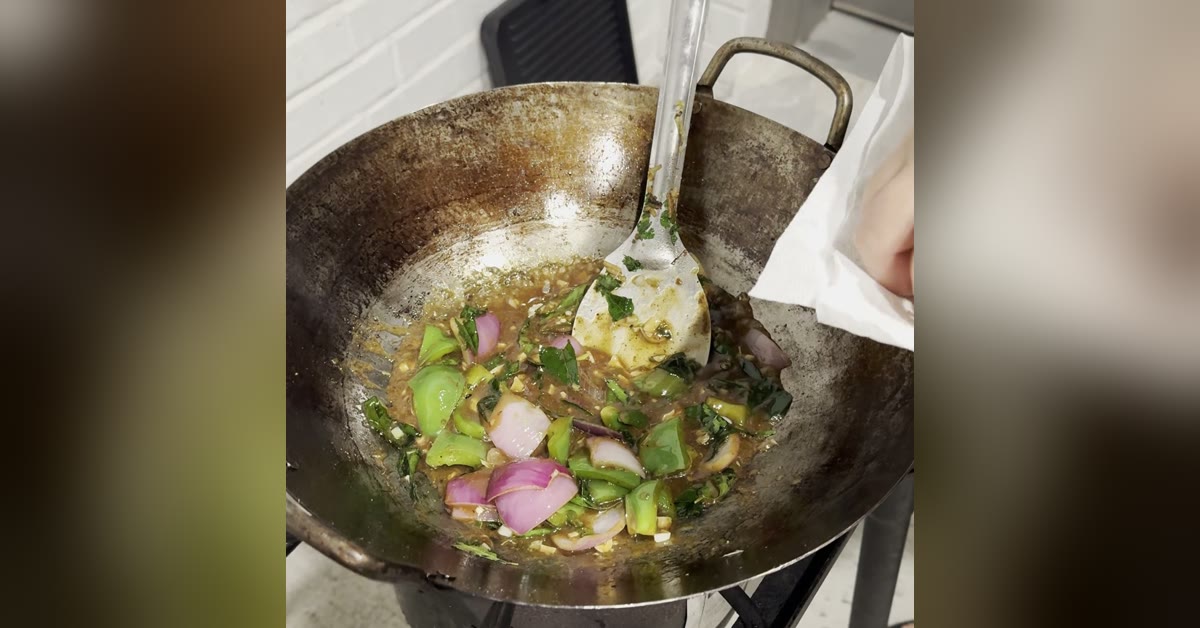
Handy for this: Cooking oil smoke points · Internal temperature chart
At a glance
- Slice the protein thin and cut the vegetables into similar bite-size pieces.
- Stir together the sauce: 3 tbsp soy sauce, 2 tbsp water, 1 tbsp sugar or honey, 1 tsp cornstarch.
- Heat a large skillet or wok over high heat until a drop of water skitters and vanishes.
- Add 1 tbsp oil and sear the protein in one layer for 4–5 minutes, then move it to a plate.
- Add 1 more tbsp oil and stir fry the firm vegetables first, then the quick ones, 3–5 minutes total.
- Add garlic and ginger for 30 seconds, return the protein, pour in the sauce and toss for 1 minute until glossy.
The short version
A stir fry is fast because all the work happens before the heat goes on. Cut everything, mix the sauce, and line it all up next to the stove. Then cook in this order over high heat: protein first, then the firm vegetables, then the quick ones, then aromatics and sauce. From hot pan to plate takes about 12 minutes.
It's one of the easiest ways to turn a little meat and a lot of vegetables into a cheap weeknight dinner with one pan to wash.
“The chicken is golden on the bottom and the pan is still sizzling hard. Flip it now, then move it to a plate.”
Prep order: get everything ready first
Once the pan is hot, there's no time to slice a pepper. Set out small bowls and fill them in the order you'll use them.
- Protein. Slice 1 lb (450 g) chicken, beef, pork or firm tofu into thin strips, about ¼ inch thick. Partly frozen meat (20–30 minutes in the freezer) slices more easily. Pat it dry and toss with a pinch of salt and ½ teaspoon cornstarch for a silky coating.
- Firm vegetables. Carrots, broccoli, onions and cauliflower, cut small and even so they cook in minutes.
- Quick vegetables. Bell peppers, snap peas, mushrooms, zucchini.
- Last-minute greens. Bok choy leaves, spinach, bean sprouts, green onions.
- Aromatics. Minced garlic and grated ginger in one small pile.
- Sauce. Whisked together in a cup, cornstarch fully dissolved.
Aim for 3–4 cups (about 250–350 g) of vegetables per pound of protein. This is a great home for odds and ends in the crisper drawer.
A stir fry sauce ratio you can remember
Think 3-2-1: 3 tablespoons soy sauce, 2 tablespoons water or broth, 1 tablespoon sugar or honey. Stir in 1 teaspoon cornstarch so the sauce thickens and clings. That's enough for 4 servings.
| Style | Add to the 3-2-1 base |
|---|---|
| Garlic ginger (classic) | 3 cloves garlic, 1 tbsp ginger, cooked in the pan |
| Sweet and tangy | 1 tbsp rice vinegar, 1 tbsp ketchup |
| Spicy | 1–2 tsp chili garlic sauce or sriracha |
| Savory and rich | 1 tbsp oyster sauce, swap sugar for 2 tsp brown sugar |
| Nutty | 1 tbsp peanut butter, a few drops toasted sesame oil |
How to make a stir fry step by step
- Heat the pan. Set a 12-inch skillet or wok over high heat for 2–3 minutes. It's ready when a drop of water skitters and disappears in a second or two.
- Sear the protein. Add 1 tablespoon of oil, swirl, and lay the protein in one layer. Leave it for 1–2 minutes to brown, then stir and cook until done: chicken 4–5 minutes to 165°F (74°C), thin beef or pork 2–3 minutes. Move it to a plate. If it doesn't fit in one layer, cook it in two batches.
- Cook the firm vegetables. Add another tablespoon of oil. Toss in carrots, broccoli and onions and stir every 20–30 seconds for 2 minutes. A tablespoon of water helps broccoli steam through.
- Add the quick vegetables. Peppers, snap peas and mushrooms go in for 1–2 minutes more, until bright and crisp-tender.
- Aromatics. Push the vegetables to the sides, add garlic and ginger to the center and stir for 30 seconds until fragrant.
- Sauce and finish. Return the protein with its juices, stir the sauce once more and pour it in. Toss for about 1 minute until it bubbles and turns glossy. Add greens and green onions in the final 30 seconds.
Serve right away over rice. Our rice to water ratio chart takes the guesswork out of cooking it, and leftover rice from tonight makes tomorrow's fried rice.
Why high heat matters
High heat is what gives a stir fry its toasty, slightly smoky flavor and keeps vegetables crisp. A pan that's too cool lets juices leak out, and the food simmers instead of searing. That's why oil choice matters too: use peanut, canola, vegetable or avocado oil. Our smoke points chart compares them. Keep toasted sesame oil for a few drops at the end.
Small batches keep the heat up. If your stove runs cool, cook the vegetables in two rounds as well.
Stir fry timing chart
Times are for a 12-inch skillet over high heat, with pieces cut bite-size.
| Ingredient | Cut | Time in pan | Done when |
|---|---|---|---|
| Chicken breast or thigh | ¼-inch strips | 4–5 min | 165°F (74°C), no pink |
| Beef flank or sirloin | ¼-inch strips, against the grain | 2–3 min | Browned outside, 145°F (63°C) for medium |
| Shrimp, peeled | Whole | 2–3 min | Pink and opaque, C-shaped |
| Firm tofu | ¾-inch cubes, pressed | 6–8 min | Golden on two sides |
| Carrots, broccoli | Thin slices, small florets | 2–3 min | Bright, crisp-tender |
| Peppers, snap peas, mushrooms | Strips or whole | 1–2 min | Glossy, just softened |
| Bok choy leaves, spinach | Roughly chopped | 30–60 sec | Just wilted |
How to tell when your stir fry is done
Sight
- Chicken turns from pink to white all the way through, with golden edges.
- Vegetables turn bright and glossy, with a few charred spots. Broccoli should be vivid green, not olive.
- The sauce goes from cloudy to glossy and coats everything in a thin shine.
Sound
- A loud, steady sizzle means the pan is hot enough. If the sizzle fades to a quiet bubble and liquid pools in the pan, it's crowded. Pan spots that pooling and tells you to cook the next batch separately.
Smell
- Garlic and ginger smell sweet and strong within 30 seconds. Pour in the sauce as soon as they're fragrant.
Touch
- A carrot slice should bend a little but still snap. Chicken feels firm and springs back when pressed.
Temperature
Chicken is done at 165°F (74°C), and beef or pork strips are safe at 145°F (63°C). Thin strips get there fast, so check the thickest piece. Our doneness temperatures chart covers every protein.
Easy stir fry combinations
- Chicken and broccoli: the classic garlic ginger sauce, served over rice.
- Beef and peppers: flank steak, red and green peppers, onion, savory sauce.
- Tofu and vegetables: golden cubes of pan-fried tofu with snap peas, carrots and the nutty sauce.
- Shrimp and bok choy: spicy sauce, quick to cook. Our guide to cooking bok choy shows how to split stems from leaves.
Leftovers keep 3–4 days in the fridge once cooled. Reheat them in a hot skillet until steaming, 165°F (74°C).
Frozen sautéed mushrooms go straight into the wok; see can you freeze mushrooms.
Fresh pineapple chunks add sweetness; see how to cut a pineapple. Top with toasted cashews.
Leftover ginger root? Here's how to store ginger for weeks in the fridge.
Out of cornstarch for the sauce? Here's the substitute for cornstarch.
Want a rich, high-heat fat? See what ghee is and how to use it.
Want a plant protein that holds its shape? Try tempeh, simmered first, then browned.
Meat-free? Use cubes of paneer; it browns instead of melting.
Building a sauce? Try a spoonful of hoisin sauce or a splash of mirin.
Frozen vegetables work well here; see can you freeze cabbage and can you freeze carrots.
Bok choy is a classic here; see what is bok choy. Finish with sliced greens; see what is a scallion.
Frozen pepper strips and broccoli go straight into the wok; see can you freeze bell peppers and can you freeze broccoli.
Frozen green beans and jalapeños go straight into the wok; see can you freeze green beans and can you freeze jalapenos.
Pan watches it for you
Pan keeps up with the fast part
A stir fry moves quickly, and the cues change every minute. Pan watches the pan and calls out when to flip, when to add the next vegetables and when the sauce is ready.
- Oil shimmering with a wisp of smoke: add the protein
- Chicken golden on the bottom: flip it
- Broccoli bright green with charred spots: add the quick vegetables
- Sauce bubbling and turning glossy: take it off the heat
Pan AI is on iPhone • Android.
Common questions
What is the basic ratio for stir fry sauce?
A simple 3-2-1 ratio works for most stir fries: 3 parts soy sauce, 2 parts water or broth, 1 part sugar or honey, plus about 1 teaspoon of cornstarch per batch to thicken. Add a splash of rice vinegar or a little chili sauce to taste.
Can I make a stir fry without a wok?
Yes. A 12-inch skillet, stainless steel or cast iron, works very well on a home stove because its flat bottom sits fully on the heat. Just cook in batches so the pan stays hot.
What order do you add vegetables to a stir fry?
Add the firmest vegetables first: carrots, broccoli stems and onions. Then peppers, snap peas and mushrooms. Leafy greens, bean sprouts and green onions go in last, for the final minute.
Why is my stir fry watery?
Usually the pan was crowded or not hot enough, so the food steamed in its own juices. Cook in smaller batches, dry the vegetables after washing, and wait until the pan is very hot before adding anything.
What oil is best for stir frying?
Use an oil with a high smoke point, such as peanut, canola, vegetable or avocado oil. Save toasted sesame oil for a few drops at the end, for flavor.
How long do stir fry leftovers last?
Refrigerate leftovers within 2 hours and eat them within 3–4 days. Reheat in a hot skillet or the microwave until steaming, 165°F (74°C).
Sources
- USDA FSIS: Safe Minimum Internal Temperature Chart
- FoodSafety.gov: Safe Minimum Internal Temperatures
- USDA FSIS: Leftovers and Food Safety
Reviewed against USDA FSIS and FoodSafety.gov guidance. How we choose sources and fix mistakes: editorial policy.
Keep cooking
- Rice, pasta, grains & beansHow to Make Fried RiceMake fried rice and eggs in 10 minutes: cold day-old rice, a very hot skillet or wok, eggs, soy sauce and green onion. Includes a shrimp fried rice version.
- Meat & poultryHow to Cook Chicken Breast on the StoveCook a ¾-inch chicken breast on the stove 5–6 minutes per side over medium-high, then medium, until it reads 165°F. Times by thickness and doneness cues.
- Vegetables & fruitHow to Cook Tofu So It's CrispyPress extra-firm tofu for 20 minutes, toss the cubes in cornstarch, and pan-fry over medium-high heat for 10–12 minutes until golden and crisp on every side.
- Vegetables & fruitHow to Cook Vegetables on the StoveCook asparagus, carrots, potatoes, sweet potatoes, green beans and broccoli on the stove with one simple method, clear times, and easy cues for tender-crisp.
- Meat & poultryHow to Cook Duck BreastScore duck breast skin, start it skin-side down in a cold pan and render 10–15 minutes over medium-low, then flip for 1–3 minutes. USDA temp and doneness cues.
- Meat & poultryHow to Cook Ground ChickenBrown ground chicken in an oiled skillet over medium-high for 8–10 minutes, breaking it up, until no pink remains and it reaches 165°F (74°C). Tips and times.
- Free toolSmoke point of oils, with the best oil for each jobSmoke points of 20+ oils and fats, and the best oil for searing, frying and cast iron.
- Free toolWhat can I make?Type what is in your fridge and get simple recipes you can cook right now.