How to Cook Duck Breast
Quick answer
Score the skin of each duck breast in a crosshatch, salt it, and lay it skin side down in a cold, dry skillet. Render over medium-low 10–15 minutes, pouring off fat as it builds, until the skin is deep golden and crisp. Flip and cook 1–3 minutes. USDA recommends 165°F (74°C); many cooks pull it at 130–135°F for medium-rare.
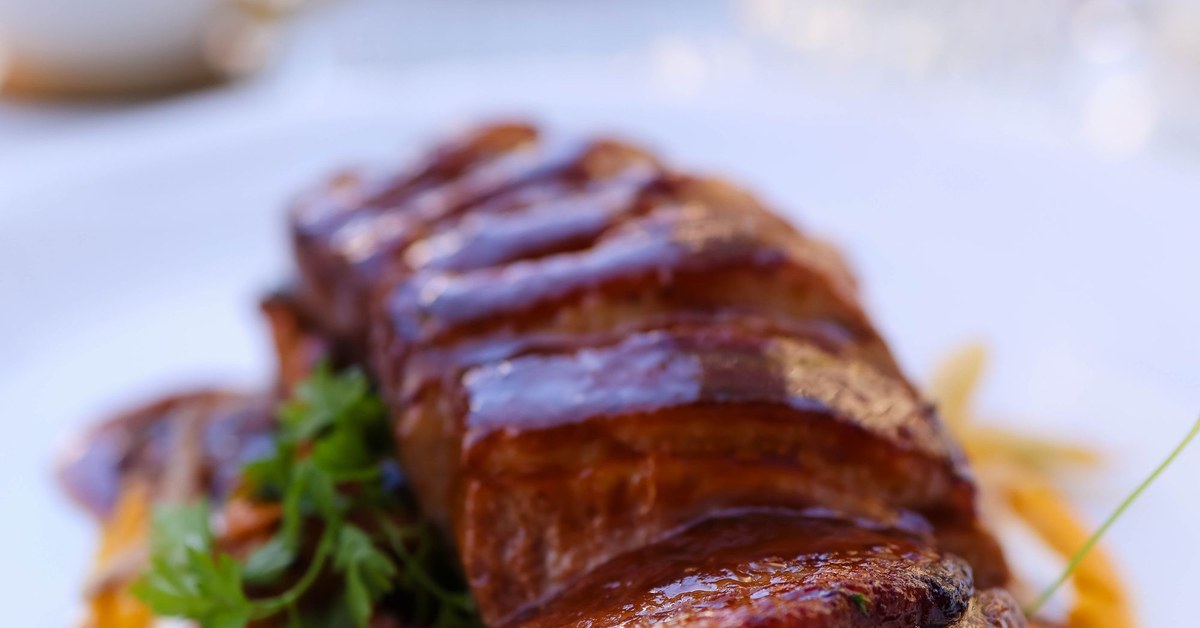
Handy for this: Internal temperature chart · Cooking oil smoke points
At a glance
- Pat the duck breasts dry and score the skin in a crosshatch without cutting the meat.
- Salt both sides and lay them skin-side down in a cold, dry skillet.
- Set the heat to medium-low and let the fat render 10–15 minutes.
- Pour off the fat into a heatproof jar every few minutes.
- When the skin is deep golden and crisp, flip and cook the meat side 1–3 minutes.
- Check the temperature: 165°F for USDA's safe minimum, or 130–135°F if you prefer medium-rare.
- Rest 5–8 minutes skin-side up, then slice thinly on an angle.
The short version
Great duck breast comes down to patience with the skin. Score it, salt it, and lay it skin-side down in a cold, dry pan. Turn the heat to medium-low and let the fat melt out slowly for 10–15 minutes, pouring it off as it builds. When the skin is thin, deep golden and crisp, flip the breast and give the meat side 1–3 minutes. Rest it, slice it on an angle, and you have a dinner that tastes like a restaurant made it.
The skin side does almost all the work. The meat side is just a quick finish.
What you need
- Duck breasts. 2 Moulard breasts (12–16 oz / 340–450 g each, sometimes sold as magret) or 4 Pekin breasts (6–8 oz / 170–225 g each). That's about 2 lb (900 g) total and feeds 4.
- Salt and pepper. 1½ teaspoons of kosher salt and ½ teaspoon of black pepper, plus flaky salt for finishing if you like.
- No oil. The duck brings its own fat, more than you need.
- A 12-inch stainless or cast iron skillet. Both brown the skin well. Nonstick works for Pekin breasts, though you'll get a little less color.
- A sharp knife for scoring, tongs, a thermometer, and a heatproof jar or bowl for the rendered fat.
How to pan-sear duck breast
- Dry and trim. Pat the breasts very dry. Trim any skin and fat that hang over the edges of the meat.
- Score the skin. With a sharp knife, cut shallow lines through the skin and fat about ¼ inch (6 mm) apart. Turn the breast and cut across them for a crosshatch. Go deep enough to get into the fat, but stop before you reach the red meat.
- Season. Salt both sides, rubbing some salt into the cuts. Add pepper to the meat side. If you have time, leave them uncovered in the fridge for a few hours or overnight; the skin dries and crisps even better.
- Start cold. Lay the breasts skin-side down in the cold, dry skillet. Then turn the heat to medium-low.
- Render slowly. After 2–3 minutes you'll hear a gentle sizzle, and fat will start to pool. Keep the heat steady and let it go 10–15 minutes for Moulard, 8–10 for Pekin. Don't move them much.
- Pour off the fat. Every 3–4 minutes, tilt the pan and spoon or pour the fat into your jar. Too much fat in the pan fries the skin instead of rendering it.
- Flip. When the skin is deep golden, crisp and noticeably thinner, turn the breasts. Cook the meat side 1–3 minutes, depending on size and how you like it.
- Check and rest. Take the temperature in the thickest part. Rest the breasts skin-side up on a board for 5–8 minutes, then slice thinly on an angle.
To bring a thick Moulard breast to 165°F (74°C) without overdoing the skin, flip it and slide the skillet into a 400°F (200°C) oven for 6–10 minutes.
Duck breast timing and temperature chart
Times are for breasts straight from the fridge, started in a cold pan over medium-low heat. Resting adds about 5°F.
| Breast | Skin side | Meat side (medium-rare) | Pull for medium-rare | USDA safe minimum |
|---|---|---|---|---|
| Pekin, 6–8 oz (170–225 g) | 8–10 min | 1–2 min | 130°F (54°C) | 165°F (74°C) |
| Moulard, 12–16 oz (340–450 g) | 10–15 min | 2–3 min | 130°F (54°C) | 165°F (74°C) |
| Moulard, oven finish at 400°F | 10–12 min | 6–10 min in oven | N/A | 165°F (74°C) |
For a side-by-side view of poultry and red meat numbers, see our doneness temperatures chart.
“The skin is deep golden and crackly, and the fat has mostly rendered out. Flip it now for the last couple of minutes.”
How to tell when duck breast is done
Sight
- At first the skin looks pale and the fat layer is thick. As it renders, the scored diamonds open up, the skin shrinks and turns from light gold to a deep, even amber.
- Look at the side of the breast. When the white fat layer has gone from about ¼ inch to a thin line, the skin is ready to flip.
- Sliced medium-rare duck is rosy red through the center. At 165°F it's an even light brown, similar to dark-meat chicken.
Sound
- A soft, steady sizzle is right. If it crackles and spits loudly early on, the heat is too high and the skin will color before the fat melts out. Turn it down.
- Near the end, the sizzle gets sharper and crisper. That's the skin drying out and turning crunchy.
Smell
- Rendering duck fat smells rich and savory, a bit like roasting chicken but deeper. If you catch a sharp, smoky smell, the pan has too much hot fat in it; pour some off and lower the heat.
Touch
- Tap the skin with tongs. When it's ready, it sounds and feels hard and crackly, not soft and rubbery.
- Press the meat side. Medium-rare feels soft with a gentle spring, like a medium-rare steak. Duck cooked to 165°F feels firm.
Temperature
USDA's safe minimum internal temperature for all poultry, duck included, is 165°F (74°C). That's the clear food safety guidance. Duck breast is also widely served medium-rare, around 130–135°F (54–57°C) after resting, the way many people eat steak. Choosing pink duck is a personal call. When you're cooking for anyone who is pregnant, older, very young or has a weakened immune system, cook it to 165°F.
The long render is the part that's easy to lose track of while you're making sides. Pan can watch the skin for you and tell you when to pour off fat and when it's crisp enough to flip.
Tips for crispy duck breast
- Dry skin crisps best. Pat the skin dry before scoring and again before it goes in the pan. An overnight rest uncovered in the fridge helps a lot.
- Score in tight lines. Lines ¼ inch apart give the fat plenty of exits. Wide lines leave thick pockets of fat behind.
- Keep the heat low and steady. Medium-low feels too gentle at first. It isn't. Higher heat colors the skin before the fat has rendered.
- Weigh it down if it curls. If the skin buckles away from the pan, press it flat with a spatula or set a small pan on top for a minute.
- Save every drop of fat. A pair of Moulard breasts gives you ½ cup or more. Strain it and refrigerate it for up to 3 months.
- Make a quick pan sauce. After pouring off most of the fat, add a splash of orange juice or red wine and a spoon of cherry or plum jam to the pan. Simmer 1–2 minutes and spoon it over the slices.
What to serve with duck breast
Use the rendered fat to make the best roast potatoes you've had. Duck also loves something sweet and sharp on the side, like pan-fried apples or roasted beets, and a simple green such as sautéed spinach.
If you enjoy this skin-first approach, it works the same way on pan-fried chicken thighs. And the resting and slicing steps will feel familiar from our steak on the stove guide.
Serve it with hoisin sauce for dipping.
Pan watches it for you
Pan tells you when the skin is ready
Rendering duck skin takes a while and is easy to walk away from. Pan watches the fat pooling and the skin coloring, and tells you when to pour off fat and when the skin is crisp enough to flip.
- Fat pooling halfway up the breasts: pour some off
- Skin turning from pale to light gold with tiny bubbles: keep going, it's rendering
- Skin deep golden and the fat layer looks thin: time to flip
- Pan going quiet and the fat smoking lightly: lower the heat
Pan AI is on iPhone • Android.
Common questions
Why do you start duck breast in a cold pan?
Duck has a thick layer of fat under the skin. Starting cold lets that fat melt out slowly as the pan heats, so the skin ends up thin and crisp instead of chewy. A hot pan browns the outside before the fat underneath has time to render.
What temperature should duck breast be cooked to?
USDA recommends cooking all poultry, including duck, to 165°F (74°C). Duck breast is often served medium-rare at 130–135°F (54–57°C) in restaurants, much like steak. That's a personal choice; for anyone pregnant, older, very young or immunocompromised, cook it to 165°F.
How long do you cook duck breast?
Most of the time is on the skin side: about 10–15 minutes over medium-low for a large Moulard breast, or 8–10 minutes for a smaller Pekin breast. Then 1–3 minutes on the meat side for medium-rare, or a few minutes in a 400°F oven to reach 165°F.
How do you score duck breast?
Use a sharp knife to cut shallow lines through the skin and fat about ¼ inch apart, then turn the breast and cut across them in a crosshatch. Stop before you reach the meat. Scoring lets the fat escape and keeps the skin from curling.
What can I do with leftover duck fat?
Strain it into a jar and keep it in the fridge for up to 3 months. It's wonderful for roast potatoes, frying eggs, sautéing greens or making confit.
What's the difference between Pekin and Moulard duck breast?
Pekin breasts are smaller, about 6–8 oz (170–225 g), with milder meat. Moulard breasts, often sold as magret, are 12–16 oz (340–450 g) with a thicker fat cap and a deeper, steak-like flavor. One Moulard breast feeds two.
Sources
- USDA FSIS: Safe Minimum Internal Temperature Chart
- FoodSafety.gov: Safe Minimum Internal Temperatures
- BBC Good Food: How to Cook Duck Breast
Reviewed against USDA FSIS and FoodSafety.gov guidance. How we choose sources and fix mistakes: editorial policy.
Keep cooking
- Meat & poultryHow to Cook Steak on the StoveCook steak on the stove in a hot cast iron pan: 3–4 minutes per side for a 1-inch medium-rare steak, then rest 5 minutes. Timing chart and doneness cues.
- Thanksgiving & holidaysHow to Make Roast PotatoesParboil potatoes 8–10 minutes, rough them up, then roast in hot fat at 425°F (220°C, gas 7) for 45–60 minutes, turning once, until crisp and golden.
- Meat & poultryPan Fried Chicken ThighsPan fry chicken thighs skin side down over medium until golden, flip, and cook to 175°F. Times for bone-in, boneless and skinless thighs, plus doneness cues.
- Meat & poultryHow to Cook Lamb ChopsPan-sear 1-inch lamb chops over medium-high heat for 3–4 minutes per side, pull at 125–130°F for medium-rare and rest 5 minutes. Times for loin and rib chops.
- Meat & poultryHow to Cook Ground ChickenBrown ground chicken in an oiled skillet over medium-high for 8–10 minutes, breaking it up, until no pink remains and it reaches 165°F (74°C). Tips and times.
- Meat & poultryHow to Make Chicken FajitasHow to make chicken fajitas in one skillet: sear seasoned chicken strips to 165°F (74°C), char the peppers and onions, and serve in warm tortillas in 25 min.
- Free toolInternal temperature chartSafe and perfect internal temperatures for steak, chicken, salmon, pork and more, plus a printable PDF.
- Free toolSmoke point of oils, with the best oil for each jobSmoke points of 20+ oils and fats, and the best oil for searing, frying and cast iron.