What Is Ghee and How Is It Different From Butter?
Quick answer
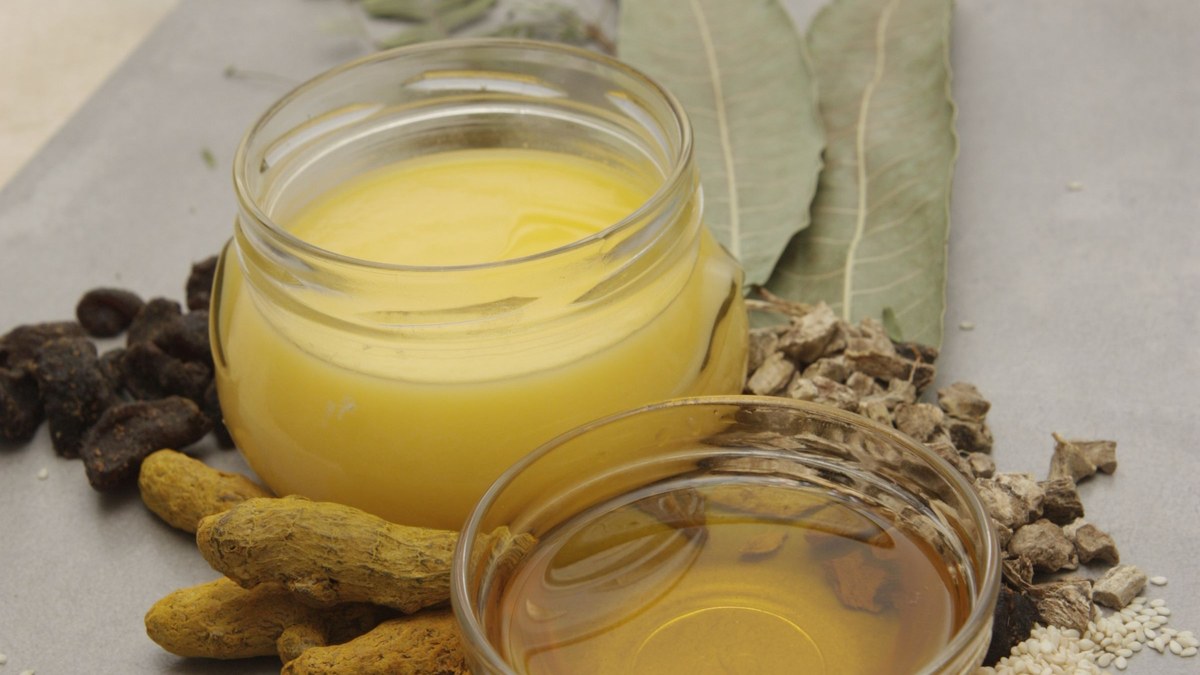
Ghee is clarified butter: butter melted slowly until its water evaporates and its milk solids are skimmed or strained out, Illinois Extension explains. What's left is golden butterfat with a nutty taste and a higher smoke point than butter, about 375–485°F on Colorado State's chart. With almost no moisture, sealed ghee keeps at room temperature, says UMaine Extension.
Handy for this: Smoke points · Cups to tablespoons
At a glance
- Cut 1 pound of unsalted butter into pieces.
- Melt it in a heavy pan over medium-low heat.
- Let it simmer gently as the water cooks off.
- Skim the foam from the top.
- Cook until the solids on the bottom turn light golden.
- Strain through cheesecloth into a clean, dry jar.
- Cool, seal and store away from sunlight.
The short version
Butter is mostly fat, plus some water and milk solids. Ghee is what you get when you cook off the water and remove the solids. It's a staple of Indian cooking, solid at room temperature, and richer in taste than butter. Many cooks simmer it a little longer than plain clarified butter, until the milk solids turn light golden, which gives ghee its nutty flavor.
“The solids on the bottom are turning golden. Take the pan off the heat now.”
Ghee vs butter
| Ghee | Butter | |
|---|---|---|
| What it is | Nearly pure butterfat | Fat with water and milk solids |
| Smoke point | 375–485°F, depending on purity | About 350°F |
| Per teaspoon | 45 calories, 5 g fat, 3 g saturated | 34 calories, 4 g fat, 2 g saturated |
| Storage | Sealed, at room temperature | Refrigerator is best |
| Best for | Sautéing, searing, roasting | Baking, spreading, sauces |
Smoke points are from Colorado State; nutrition is from Illinois Extension; storage is from University of Maine Extension.
How to cook with ghee
Because the milk solids that scorch are gone, ghee handles higher heat than butter. Use it to sear steak or chicken, fry eggs, roast vegetables or start a curry or stir-fry. Swap it 1-for-1 for oil when you want butter flavor, and check the pan with our guide on how to tell if oil is hot enough.
Is ghee healthier than butter?
Not really. Illinois Extension notes that ghee is more concentrated than butter, so a teaspoon has more calories and more saturated fat, and the research behind its health claims is limited. Ghee does have most of its lactose and milk protein removed, which some people find easier, but it's still a dairy product. Treat it as a cooking fat to use in moderation.
How to store ghee
University of Maine Extension says clarified butter and ghee contain virtually no moisture or milk protein, so they don't readily support bacterial growth and are shelf-stable in a sealed container. Escoffier suggests a dry cupboard out of direct sunlight. Refrigerating helps keep the flavor fresh over long storage. Always scoop with a clean, dry spoon, because water and crumbs bring spoilage back.
Common mistakes
- Cooking on high heat. The solids burn before the water is gone. Keep it gentle.
- Leaving it too long. Golden solids are nutty; dark brown solids taste burnt.
- A wet jar or spoon. Moisture shortens shelf life.
- Skipping the strain. Leftover solids spoil faster.
Keep going
Next up: How to Make Garlic Butter With Fresh Garlic, How to Soften Butter Fast for Baking and How to Tell If Oil Is Hot Enough.
Ghee is great for browning paneer, the fresh Indian cheese.
Regular butter keeps 6 to 9 months frozen; see can you freeze butter.
Pan watches it for you
Pan watches the pan with you
Making ghee at home? Pan watches the butter through your phone camera and tells you out loud when the solids are golden and it's time to strain.
- Melt low and slow
- Skim the foam
- Solids light golden
- Strain into a dry jar
Pan AI is on iPhone • Android.
Common questions
Is ghee the same as clarified butter?
Ghee is a type of clarified butter, usually cooked a little longer so the milk solids toast and the flavor turns nutty.
Does ghee need to be refrigerated?
No. Sealed ghee is shelf-stable at room temperature; refrigeration only helps keep its flavor longer.
What is ghee used for?
High-heat cooking like sautéing, searing and roasting, Indian dishes such as curries and dal, and drizzling over rice.
Is ghee dairy-free?
No. It comes from butter. Most lactose and milk protein are removed, but people with a milk allergy should avoid it.
What is the smoke point of ghee?
About 375 to 485°F depending on purity, on Colorado State's chart, compared with about 350°F for butter.
How do you make ghee?
Melt 1 pound of unsalted butter over medium-low heat, let it simmer as the water cooks off, skim the foam, and cook until the solids turn light golden. Strain through cheesecloth into a clean, dry jar.
How many calories are in ghee?
About 45 calories and 5 grams of fat per teaspoon, compared with 34 calories and 4 grams of fat for butter, Illinois Extension says.
Sources
- USDA FSIS: Leftovers and Food Safety
- FoodSafety.gov: Safe Minimum Internal Temperatures
- University of Illinois Extension: Is Ghee Healthier Than Other Fats?
- University of Maine Cooperative Extension: Is It Safe to Leave Butter on the Counter?
- Colorado State University Kendall Reagan Nutrition Center: Cooking With Fats and Oils
- Auguste Escoffier School of Culinary Arts: Cooking With Ghee
Reviewed against USDA FSIS, FoodSafety.gov and University of Illinois Extension guidance. How we choose sources and fix mistakes: editorial policy.
Keep cooking
- Start hereHow to Make Garlic Butter With Fresh GarlicHow to make garlic butter: mash ½ cup softened butter with 1–2 tsp minced garlic, salt and parsley. Keep it in the fridge 2 weeks or freeze up to 6 months.
- Start hereHow to Soften Butter Fast for BakingHow to soften butter: cut cold butter into small slices and spread them out for 15–30 minutes, or microwave at 30% power for 30 seconds. Ready when it dents.
- Start hereHow to Tell If Oil Is Hot EnoughHow to tell if oil is hot enough: for sautéing it shimmers and flows like water; for frying, a wooden spoon makes steady bubbles. Temps and warning signs.
- Start hereHow to Make a Stir FryHow to make a stir fry at home: prep everything first, mix a simple 3-2-1 sauce, sear the protein over high heat, then the vegetables. Ready in 15 minutes.
- Free toolSmoke point of oils, with the best oil for each jobSmoke points of 20+ oils and fats, and the best oil for searing, frying and cast iron.