How to Cook Cod
Quick answer
Pat 1-inch cod fillets dry and season them. To pan-sear, heat 1 tablespoon of oil over medium-high until it shimmers and cook 3–4 minutes until golden, then flip and cook 2–3 minutes more with a little butter. To bake, brush with oil and bake at 400°F (200°C) for 10–14 minutes. It's done when it flakes easily and reaches 145°F (63°C).
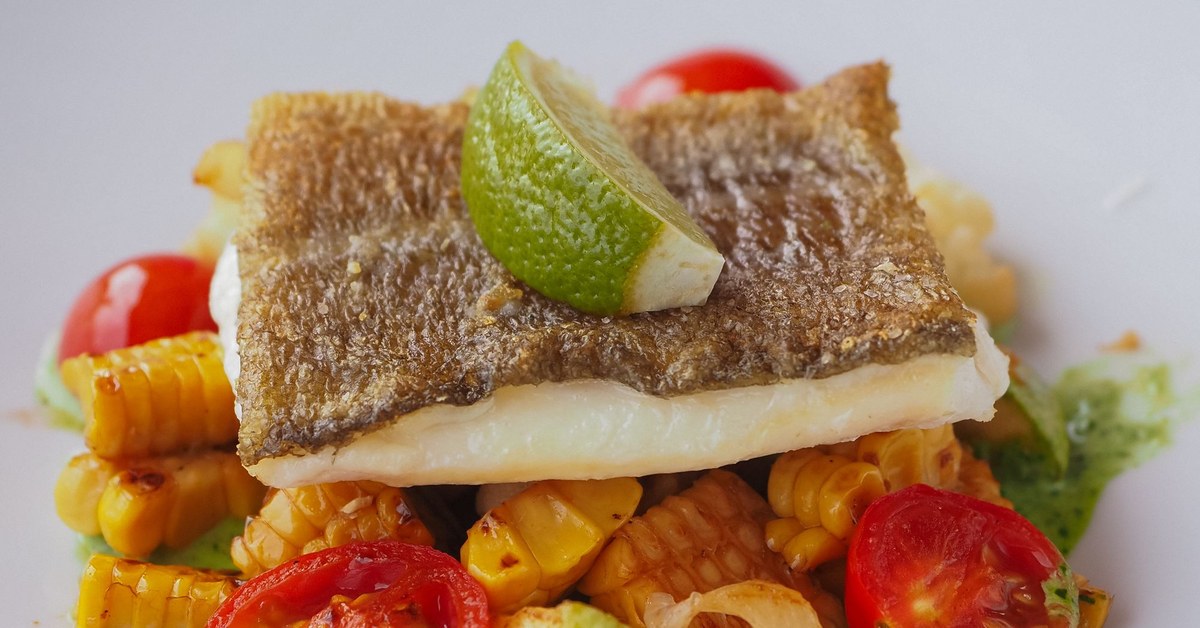
Handy for this: Internal temperature chart · Thawing time calculator
At a glance
- Thaw frozen cod overnight in the fridge, or in a sealed bag in cold water for about 1 hour.
- Pat the fillets very dry and season both sides with salt and pepper.
- Heat 1 tablespoon of oil in a skillet over medium-high until it shimmers.
- Lay the fillets in, presentation side down, and cook 3–4 minutes without moving them.
- Flip, add 1 tablespoon butter, and cook 2–3 minutes, basting, until opaque and flaky.
- Check for 145°F in the thickest part, squeeze over lemon and serve.
The short version
Cod is mild, flaky and quick. For a golden crust, pan-sear it: pat it dry, season, and cook it in shimmering oil over medium-high for 3–4 minutes, then flip and give it 2–3 minutes more with a pat of butter. For hands-off cooking, bake it at 400°F (200°C) for 10–14 minutes.
Either way, cod is done when it turns from glossy and translucent to bright white, flakes easily with a fork, and reaches 145°F (63°C) in the thickest part.
What you need
- 4 cod fillets, about 6 ounces (170 g) each. Look for pieces close to 1 inch (2.5 cm) thick and similar in size so they finish together. Thick center-cut loins sear best. Thin tail pieces cook fast and suit baking.
- 1 tablespoon high-heat oil, like vegetable, canola or avocado. Our smoke points chart shows which oils hold up to a hot pan.
- 1 tablespoon butter for basting, plus a little more if you're baking.
- Salt, pepper and a lemon. Paprika, garlic powder and fresh dill or parsley all suit cod.
- A large skillet. Stainless steel or cast iron gives the best crust. Nonstick is the easiest for delicate fish.
- A thin, wide fish spatula and paper towels.
Most cod is sold frozen, and it's often fresher than the "fresh" fish on ice. Thaw it overnight in the fridge, or seal it in a zip-top bag and submerge it in cold water for about an hour. Our thawing time calculator gives exact times for the amount you have.
How to pan-sear cod
- Dry the fish. Press the fillets between paper towels on both sides. Cod holds a lot of water, especially after thawing, and a wet surface steams instead of browning.
- Season. Sprinkle both sides with about ¾ teaspoon kosher salt in total and ¼ teaspoon pepper. Do this right before cooking.
- Heat the pan. Set the skillet over medium-high for 2 minutes, add the oil, and wait until it shimmers and moves like water when you tilt the pan.
- Lay the fillets in. Place them rounded side down, laying each one away from you so the oil doesn't splash toward you. Leave an inch of space between pieces.
- Cook 3–4 minutes without moving. The fish will stick at first, then release when a crust forms. Watch the sides: the white, opaque layer will creep upward from the pan.
- Flip. When the opaque line is about two-thirds of the way up and the edge underneath is golden, slide the spatula fully under the fillet and turn it in one motion.
- Baste 2–3 minutes. Lower the heat to medium, add the butter, and tilt the pan. Spoon the foaming butter over the fish until it's opaque throughout and flakes at the thickest point.
- Check and serve. Look for 145°F (63°C) in the center. Squeeze over lemon, scatter herbs, and spoon the pan butter on top.
How to bake cod
Heat the oven to 400°F (200°C) and lightly oil a baking dish. Pat the fillets dry, set them in the dish, and brush with 2 tablespoons of melted butter mixed with a minced garlic clove and a squeeze of lemon. Season with salt, pepper and a pinch of paprika. Bake 10–14 minutes for 1-inch fillets, until the fish is opaque and flakes with a fork.
For a crunchy top, mix ½ cup (30 g) panko with a tablespoon of melted butter and press it on before baking. If it isn't golden by the time the fish is done, run it under the broiler for 1–2 minutes, watching closely.
Baking from frozen works too. Rinse off any ice glaze, pat dry, brush with oil and bake at 425°F (220°C) for 18–22 minutes, adding the seasoning about halfway once the surface has thawed enough to hold it.
Cod cooking time chart
Times assume fillets straight from the fridge and a preheated pan or oven. Measure the thickest part of the fillet and use that row.
| Thickness | Pan-sear (side 1 + side 2) | Bake at 400°F (200°C) | Bake from frozen at 425°F (220°C) | Done at |
|---|---|---|---|---|
| ½ inch (1.3 cm) | 2 min + 1–2 min | 7–9 min | 12–15 min | 145°F (63°C) |
| ¾ inch (2 cm) | 3 min + 2 min | 9–11 min | 15–18 min | 145°F (63°C) |
| 1 inch (2.5 cm) | 3–4 min + 2–3 min | 10–14 min | 18–22 min | 145°F (63°C) |
| 1½ inch (4 cm) loin | 4–5 min + 3–4 min, or finish in oven | 15–18 min | 24–28 min | 145°F (63°C) |
For more fish, poultry and meat targets in one place, see our doneness temperatures chart.
“The cod went opaque almost to the top and the underside is golden. Flip it now and give it 2 more minutes.”
How to tell when cod is done
Cod gives you clear signs, and it's forgiving if you catch it within a minute or so of the right moment.
Sight
- Raw cod is glossy and slightly see-through, with a gray or pinkish tint. Cooked cod is bright, matte white all the way through.
- In the pan, watch the side of the fillet. The opaque band climbs from the bottom. Flip when it's about two-thirds of the way up.
- When cod is done, the large flakes start to separate on their own along the natural lines in the fish. You might see a little white liquid, called albumin, seep out. A lot of it means the fish is heading past done.
Sound
- A strong, steady sizzle when the fish goes in means the oil is hot enough for a crust. A weak hiss means the pan needs more heating or the fish was wet.
- When the butter goes in after the flip, it should foam and crackle quietly. If it goes quiet and starts to smell toasty fast, lower the heat.
Smell
- Fresh cod smells clean and faintly of the sea. Cooked, it smells sweet and buttery. A strong fishy or ammonia smell before cooking means the fish is past its best.
Touch
- Press the thickest part gently with a fork or your finger. Raw cod feels soft and dense. Done cod gives way and separates into moist flakes.
- Nudge the pan. A seared fillet that slides freely has formed its crust and is ready to flip.
Temperature
The FDA recommends cooking fish to 145°F (63°C). Slide an instant-read thermometer in from the side into the thickest part. Cod stays moist right at 145°F and turns dry and stringy well beyond it. If you're searing several fillets at once, Pan can watch that opaque line climb and tell you when each one is ready to flip.
Tips for flaky, golden cod
- Dry it longer than you think. Pat it dry, let it sit on a towel for 5 minutes, and pat again. Thawed cod keeps releasing water.
- Let it release. If the fillet sticks when you try to lift it, give it another 30–60 seconds. It lets go once the crust forms.
- Use a fish spatula. The thin, flexible blade slides under the flakes without breaking them.
- Fold the thin tail. Tuck a thin tail end under itself so the fillet is an even thickness and cooks evenly.
- Season at the last minute. Salt draws moisture to the surface. Season right before the fish goes in the pan.
- Finish thick loins in the oven. For pieces 1½ inches or thicker, sear the first side, flip, and move the skillet to a 400°F (200°C) oven for 5–7 minutes.
What to serve with cod
Cod's mild flavor goes with almost anything. Serve it with lemon and roasted or sautéed asparagus, over a bed of rice, or with buttery mashed potatoes for a cozy plate. Flaked into warm tortillas with slaw and lime, it makes easy fish tacos.
If you like this method, try it with other white fish in our pan-fried fish guide, or move on to tilapia, which is thinner and cooks even faster.
For other fillets and methods, see how to cook fish.
A little lemon zest goes well on white fish.
Pan watches it for you
Pan tells you when to flip the cod
Cod cooks from the bottom up, and you can see it happen on the side of the fillet. Pan watches that white line climb and the edges turn golden, and tells you when to flip and when to pull it.
- Opaque white climbing about two-thirds up the sides: time to flip
- Edges golden and the fillet sliding when the pan is nudged: ready to turn
- Flakes starting to separate at the thickest point: check for 145°F
- Butter foaming and turning nut-brown: start basting and finish soon
Pan AI is on iPhone • Android.
Common questions
How long do you cook cod?
For a fillet about 1 inch thick, pan-sear 3–4 minutes on the first side and 2–3 minutes on the second, or bake at 400°F (200°C) for 10–14 minutes. A good rule is about 10 minutes of cooking per inch of thickness.
What temperature should cod be cooked to?
The FDA and USDA recommend cooking fish to 145°F (63°C), measured in the thickest part. At that point the flesh is opaque and separates easily into flakes.
How long to bake cod at 400°F?
Bake 1-inch-thick cod fillets at 400°F (200°C) for 10–14 minutes. Thin tail pieces may be ready in 8 minutes, and thick loins can take up to 15–18 minutes.
Can you cook cod from frozen?
Yes. Rinse off any ice, pat dry, and bake at 425°F (220°C) for 18–22 minutes, adding seasoning halfway once the surface has thawed. For pan-searing, thawing first gives much better browning.
Why does my cod fall apart in the pan?
Cod has large, tender flakes, so it breaks easily when it's moved too soon. Let it cook undisturbed until it releases on its own, use a wide, thin fish spatula, and flip only once.
Is cod skin edible?
Yes. Cod skin is thin and crisps nicely when seared skin side down over medium-high heat. Most cod is sold skinless, which is easier to cook evenly in a pan.
Sources
- FDA: Selecting and Serving Fresh and Frozen Seafood Safely
- USDA FSIS: Safe Minimum Internal Temperature Chart
- Well Plated: Baked Cod
- RecipeTin Eats: Pan-Fried Fish Fillets
Reviewed against FDA and USDA FSIS guidance. How we choose sources and fix mistakes: editorial policy.
Keep cooking
- Fish & seafoodPan Fried FishPan fry fish in a hot oiled skillet: 2 to 3 minutes per side for thin fillets, 3 to 4 for 1-inch cod or mahi mahi. Cook to 145°F, when it flakes easily.
- Fish & seafoodHow to Cook TilapiaPan-fry tilapia fillets 2–3 minutes per side over medium-high, or bake at 400°F for 10–12 minutes, until opaque, flaky and 145°F. Times and easy tips.
- Fish & seafoodHow to Cook Salmon on the StovePan-sear salmon skin side down over medium-high heat for 4–6 minutes, flip, and cook 2–3 minutes more. Timing by thickness and how to tell salmon is done.
- Vegetables & fruitHow to Cook AsparagusSauté asparagus in a hot skillet 5–7 minutes or roast at 425°F for 10–15 until bright green and tender-crisp. Trimming, times and doneness cues inside.
- Fish & seafoodHow to Cook Crab LegsMost crab legs are sold precooked, so you're just warming them. Steam 5 to 8 minutes, boil 4 to 6, or bake at 400°F. Plus how to reheat leftover crab legs.
- Thanksgiving & holidaysHow to Cook Lobster TailsHow to prepare and cook lobster tails: butterfly them, then broil, bake, boil or steam about 1 minute per ounce until opaque and 140 to 145°F inside.
- Free toolInternal temperature chartSafe and perfect internal temperatures for steak, chicken, salmon, pork and more, plus a printable PDF.
- Free toolThawing time calculatorHow long to thaw a turkey, chicken, ground beef or fish safely, in the fridge or cold water.