How to Cook Broccoli
Quick answer
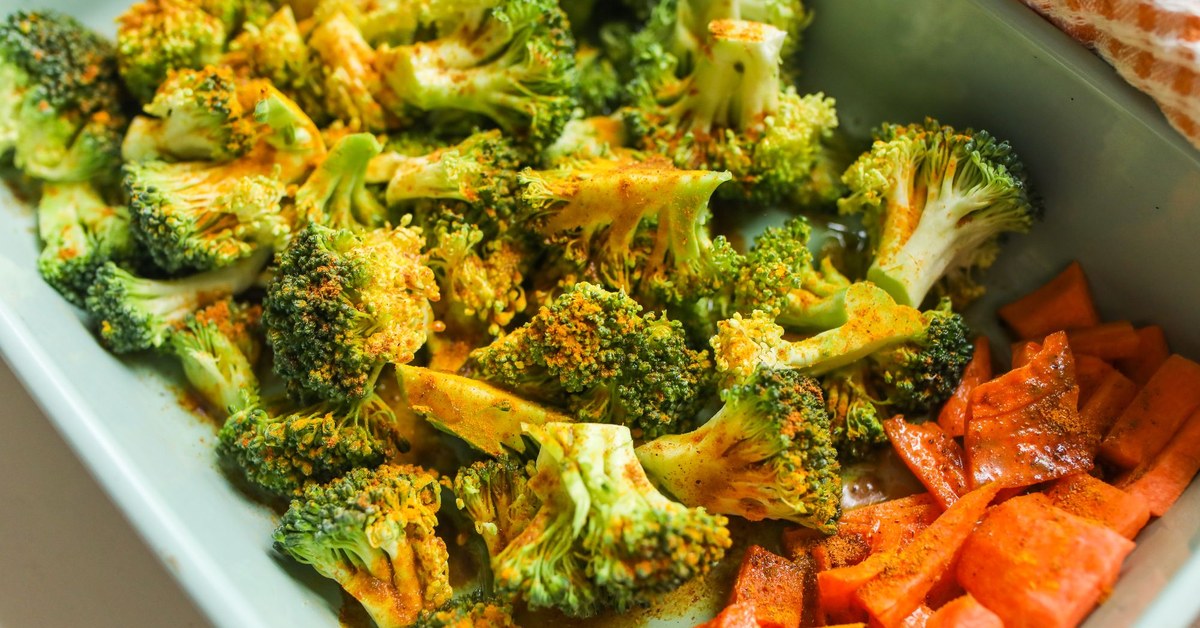
Cut broccoli into even 1½-inch florets. Steam them over 1 inch of boiling water, covered, 4–5 minutes until bright green and fork-tender. Or boil them in salted water 2–3 minutes, sauté in 1 tablespoon of oil over medium-high 6–8 minutes, or roast at 425°F (220°C) for 18–22 minutes until the edges are brown and crisp.
Handy for this: Boiling times chart · What can I make?
At a glance
- Rinse the broccoli and cut it into even 1½-inch florets; peel and slice the stem.
- Choose a method: steam, boil, sauté or roast.
- Steam covered over boiling water for 4–5 minutes, or boil in salted water for 2–3 minutes.
- Or sauté in oil over medium-high heat for 6–8 minutes, adding a splash of water to finish.
- Or roast at 425°F (220°C) for 18–22 minutes, flipping once.
- Season with salt, a squeeze of lemon and a little butter or olive oil.
The short version
Broccoli cooks fast, and every method works best with even florets. Steam them for 4–5 minutes, boil them for 2–3, sauté them for 6–8, or roast them at 425°F (220°C) for 18–22. In every case you're looking for the same thing: bright green color and a stem end that a fork pierces with just a little give.
Steaming and boiling give you clean, sweet, tender broccoli. Sautéing and roasting give you browned, nutty edges. Pick the one that fits your night.
What you need
- Broccoli. One large head, about 1½ pounds (680 g), serves 4 as a side. Look for tight, dark green florets and a firm stem. Yellowing buds mean it's past its peak.
- A sharp knife. For cutting florets that are all about the same size.
- For steaming or boiling: a pot with a lid and a steamer basket, or just a pot of water.
- For sautéing: a 12-inch skillet with a lid. A lid from a different pot works fine.
- For roasting: a rimmed sheet pan.
- Fat and seasoning. Olive oil or butter, salt, half a lemon, and garlic if you like.
How to cut broccoli
Cut the head where the florets meet the thick stem. Trim each floret off the central stalk, then split any large ones through the stem end so everything is roughly 1½ inches (4 cm) across. Splitting through the stem gives you a flat side, which browns beautifully in a pan or oven.
Don't toss the stem. Trim the dry end, peel off the tough green skin with a vegetable peeler, and slice the pale core into ¼-inch coins. It's sweet, tender, and cooks right along with the florets.
How to cook broccoli, step by step
Steamed broccoli (4–5 minutes)
- Bring about 1 inch (2–3 cm) of water to a boil in a pot fitted with a steamer basket. The water shouldn't touch the basket.
- Add the florets and stem coins, cover, and steam 4–5 minutes.
- Lift the lid at 4 minutes and test a stem end with a fork. It should go in with a little resistance.
- Tip into a bowl and toss with butter or olive oil, salt and a squeeze of lemon.
Boiled broccoli (2–3 minutes)
- Bring a large pot of water to a rolling boil and add 1 tablespoon of salt.
- Drop in the florets and cook 2–3 minutes for crisp-tender, 4–5 for soft.
- Drain in a colander. If you're not serving right away, plunge them into ice water for 1 minute to stop the cooking and lock in the color.
Sautéed broccoli (6–8 minutes)
- Heat 1 tablespoon of olive oil in a large skillet over medium-high until it shimmers.
- Add the florets flat side down in a single layer and leave them alone for 2–3 minutes, until the cut sides turn golden brown.
- Stir, then add 2–3 tablespoons of water and cover right away. Steam 1–2 minutes.
- Uncover, add a sliced garlic clove, and cook 1–2 minutes more until the water is gone and the garlic smells fragrant. Season and serve.
Roasted broccoli (18–22 minutes)
- Heat the oven to 425°F (220°C). Dry the florets well after rinsing.
- Toss with 2 tablespoons of olive oil and ½ teaspoon of salt. Spread on a sheet pan with space between pieces.
- Roast 10 minutes, flip, and roast 8–12 minutes more until the edges are deep brown and crisp and the stems are tender.
- Finish with lemon zest, a squeeze of juice, and a little grated Parmesan if you like.
Broccoli cooking times
Times are for 1½-inch florets. Smaller pieces cook a minute or two faster; whole spears with long stems take a little longer.
| Method | Heat | Time | Texture |
|---|---|---|---|
| Steamed | Boiling water, covered | 4–5 min | Tender, bright green |
| Boiled (crisp-tender) | Rolling boil, salted | 2–3 min | Snappy, bright green |
| Boiled (soft) | Rolling boil, salted | 4–5 min | Soft, good for kids |
| Sautéed | Medium-high | 6–8 min | Browned edges, tender center |
| Roasted | 425°F (220°C) | 18–22 min | Crisp, deeply browned edges |
| Roasted | 400°F (200°C) | 22–25 min | Golden, slightly softer |
| Microwaved | High, covered with 2 tbsp water | 3–4 min | Tender, like steamed |
For more vegetables side by side, our boiling times chart lists carrots, cauliflower, green beans and more.
“The florets just turned bright green and the edges are browning. Add your splash of water and cover for 1 minute.”
How to tell when broccoli is done
Broccoli goes from crisp to soft in about 2 minutes, so the cues below matter more than the clock.
Sight
- Raw broccoli is a muted, dark green. As it cooks, it turns a bright, vivid green. That's the crisp-tender sweet spot.
- When the color starts to fade toward olive or khaki, it's soft and heading past its best. Pull it now.
- For sautéed and roasted broccoli, look for golden to deep brown cut sides and crisp, darkened tips on the florets. Those little dark bits taste nutty and sweet.
Sound
- Florets landing in a hot skillet should sizzle steadily. A weak hiss means the pan needs another minute to heat up.
- When you add water to the skillet, it sputters loudly, then quiets to a soft simmer under the lid. When the hissing stops after you uncover it, the pan is dry and ready for garlic.
Smell
- Fresh-cooked broccoli smells sweet and grassy. A strong, sulfur-like smell means it's been cooking too long, so get it out of the heat.
- Roasted broccoli smells toasty and almost nutty when the edges are ready.
Touch
- Pierce the thickest part of a stem with a fork. Crisp-tender gives a little resistance at the center. Soft broccoli lets the fork slide straight through.
- Bite a piece. It should snap cleanly, not squeak against your teeth (underdone) or collapse (overdone).
Temperature and safety
There's no safe minimum temperature for fresh vegetables. Rinse broccoli under running water before cutting, and keep cooked broccoli in the fridge for 3–4 days. Reheat leftovers to 165°F (74°C), per USDA.
The bright-green moment passes quickly when you're also watching the main dish. Pan keeps an eye on the color and lets you know when it's time to pull the broccoli.
Tips for better broccoli
- Dry it for roasting. Wet florets steam in the oven instead of browning. Spin them in a salad spinner or pat them with a towel.
- Don't crowd the pan. For sautéing or roasting, leave space between pieces. Crowded broccoli steams and stays pale.
- Salt the water well. Boiling water should taste like the sea. The broccoli only sits in it for a couple of minutes, so it won't turn salty.
- Add lemon at the end. Acid dulls the green color as it cooks. Squeeze lemon on right before serving.
- Blanch ahead. Boil for 2 minutes, chill in ice water, and refrigerate up to 2 days. Reheat in a hot skillet with butter for 2–3 minutes.
- Season boldly. Garlic, red pepper flakes, soy sauce, sesame oil, Parmesan and toasted almonds all go well with broccoli.
What to serve with broccoli
Broccoli fits almost any dinner. Serve it next to a juicy chicken breast from our how to cook chicken breast on the stove guide, or toss sautéed florets into fried rice for a one-pan meal. Steamed broccoli and creamy mashed potatoes are a classic pair under a steak or pork chop.
Cooking a few vegetables at once? Our guide to how to cook vegetables on the stove shows how to time them together, and asparagus uses almost the same methods. Got half a head of broccoli and not much else? Try what can I make with my ingredients.
Pour over a smooth cheddar cheese sauce.
Steaming a mix? How to steam vegetables has times for every vegetable.
For beef and broccoli flavor, toss it with oyster sauce at the end.
Bought too much? See can you freeze broccoli for blanching times.
Pan watches it for you
Pan tells you when it's bright green
Pan watches the color of the florets and the browning on the cut sides. It speaks up when they hit bright green, and again when the edges have the color you want.
- Florets turning from dull green to bright, vivid green: crisp-tender, ready to pull
- Flat cut sides turning golden brown in the skillet: time for the splash of water
- Steam cloud thinning out after the water goes in: the pan is dry, add the garlic
- Color fading toward olive: serve right away
Pan AI is on iPhone • Android.
Common questions
How long do you steam broccoli?
Steam 1½-inch florets for 4–5 minutes in a covered pot over about 1 inch of boiling water. They're ready when they turn bright green and a fork pierces the stem end with just a little resistance. Go 6–7 minutes for very soft broccoli.
How long do you boil broccoli?
Boil florets in well-salted water for 2–3 minutes for crisp-tender, or 4–5 minutes for soft. Drain right away, or plunge into ice water if you're serving it cold or reheating later.
What temperature do you roast broccoli at?
Roast at 425°F (220°C) for 18–22 minutes, flipping halfway. A hot oven gives you deep brown, crispy edges while the stems stay tender. At 400°F (200°C), plan on 22–25 minutes.
Can you eat broccoli stems?
Yes. Peel off the tough outer skin with a vegetable peeler, then slice the pale inner stem into coins or sticks. They're sweet and tender and cook in the same time as the florets.
Why does my broccoli turn olive green?
Broccoli loses its bright color when it cooks too long, especially covered in an acidic sauce. Pull it as soon as it's bright green and fork-tender, and add lemon juice right before serving rather than during cooking.
Should you wash broccoli before cooking?
Yes. Rinse it under cool running water just before cooking, gently rubbing the florets. Don't use soap or produce wash. Shake off the water well if you're roasting so the florets brown instead of steaming.
Sources
- FDA: Selecting and Serving Produce Safely
- USDA FSIS: Leftovers and Food Safety
- Jessica Gavin: How to Cook Broccoli
Reviewed against FDA and USDA FSIS guidance. How we choose sources and fix mistakes: editorial policy.
Keep cooking
- Vegetables & fruitHow to Cook Vegetables on the StoveCook asparagus, carrots, potatoes, sweet potatoes, green beans and broccoli on the stove with one simple method, clear times, and easy cues for tender-crisp.
- Vegetables & fruitHow to Cook Green BeansBlanch green beans 3–4 minutes, then sauté in butter 3–4 more, or roast at 425°F for 15–20, until bright green and crisp-tender. Times for every method.
- Vegetables & fruitHow to Cook AsparagusSauté asparagus in a hot skillet 5–7 minutes or roast at 425°F for 10–15 until bright green and tender-crisp. Trimming, times and doneness cues inside.
- Meat & poultryHow to Cook Chicken Breast on the StoveCook a ¾-inch chicken breast on the stove 5–6 minutes per side over medium-high, then medium, until it reads 165°F. Times by thickness and doneness cues.
- Vegetables & fruitHow to Cook EggplantPan-fry ½-inch eggplant slices 3–4 minutes per side, or roast cubes at 425°F for 20–25 minutes, until golden and creamy inside. Prep, times and cues.
- Vegetables & fruitHow to Cook Frozen CornSauté frozen corn in butter over medium-high for 6–8 minutes, boil it 3–5 minutes, microwave 4–5 minutes or roast at 425°F for 20–25 minutes. No thawing needed.
- Free toolBoiling times chartHow long to boil chicken, shrimp, potatoes, corn, broccoli and 30+ more foods.
- Free toolWhat can I make?Type what is in your fridge and get simple recipes you can cook right now.