What Is Creme Fraiche (Crème Fraîche)?
Quick answer
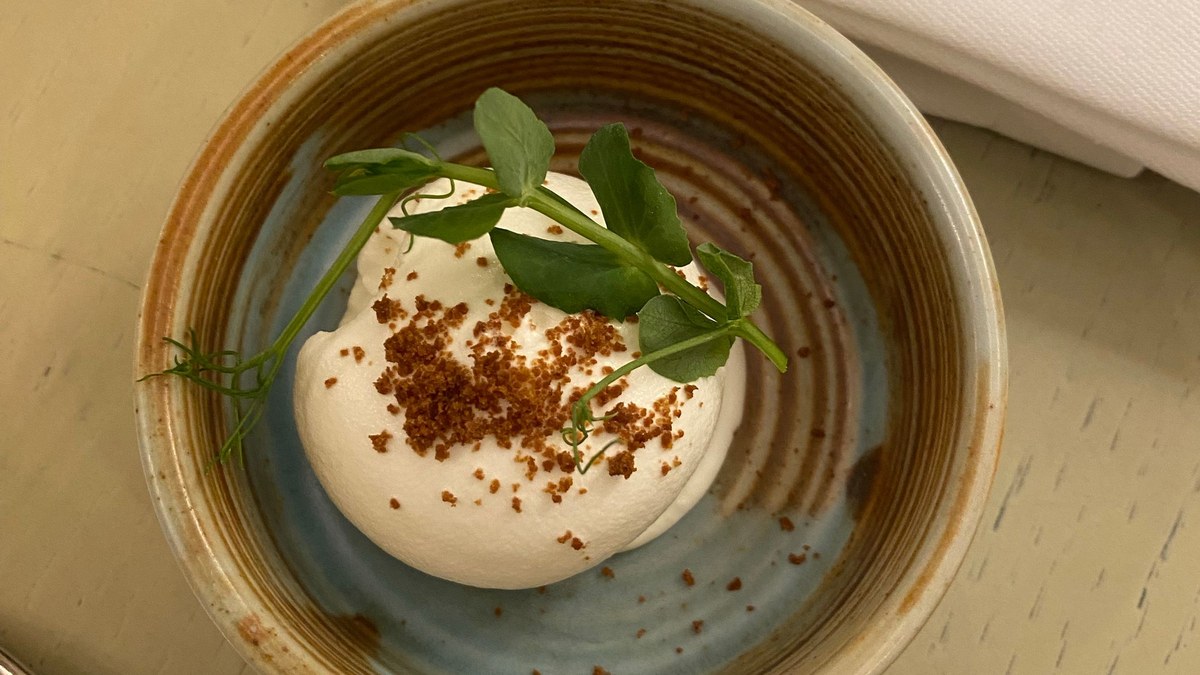
Crème fraîche, French for “fresh cream,” is cream thickened by lactic acid bacteria, Dairy Farmers of Wisconsin explains. It's rich, nutty and mildly tangy, with about 30% fat. It's less sour and thicker than sour cream, and because of its high fat, it won't curdle when stirred into hot soups and sauces. To make it, stir buttermilk into cream and let it culture.
Handy for this: Cups to tablespoons · Grams to cups
At a glance
- Crème fraîche is cultured, thickened cream.
- It's milder and richer than sour cream.
- Stir it into hot soups and pan sauces; it won't curdle.
- Spoon it over fruit, potatoes or eggs.
- To make it, add 1 tablespoon buttermilk to 1 cup cream.
- Culture it, then chill it at least 24 hours.
- Keep it covered in the fridge up to about 2 weeks.
The short version
Crème fraîche is cream that has been soured with a bacterial culture until it turns thick and velvety, Dairy Farmers of Wisconsin explains. It's believed to come from Normandy, France's great dairy region. It's not a cheese, since no rennet is used; it belongs with yogurt, buttermilk and sour cream as a fermented dairy food. Its flavor is buttery, nutty, slightly sweet and gently tart.
“The soup is off the heat now. Stir in a spoonful of crème fraîche.”
Crème fraîche vs sour cream
| Crème fraîche | Sour cream | |
|---|---|---|
| Fat | About 30% | At least 18% by U.S. rules |
| Taste | Mildly tangy, rich | More sour |
| Texture | Thicker, silkier | Thick but lighter |
| In hot dishes | Won't curdle | Can curdle if boiled |
| Whips? | Yes, lightly | No |
Fat and behavior are from Dairy Farmers of Wisconsin; sour cream's minimum is from 21 CFR 131.160.
How to use crème fraîche
Wisconsin calls it a culinary chameleon. Swirl it into creamy soups or pan sauces for a velvety finish, top a baked potato, fold it into scrambled eggs, or spoon it over fresh fruit and pie. Utah State Extension suggests adding it to curries, casseroles and soups, using it as a fruit dip or in a vinaigrette, or whipping it to top desserts. It can also replace heavy cream in many recipes, with a little extra tang.
How to make crème fraîche
Wisconsin's simple method: stir 1 tablespoon of buttermilk into 1 cup of heavy cream, cover, and let it stand at room temperature for 12 to 24 hours, until thick. Then refrigerate it at least 24 hours before serving. For a more controlled method, Utah State Extension heats 4 cups of whipping cream to 185–200°F for 2 to 5 minutes, cools it to 104–113°F, adds 1 cup buttermilk or yogurt or a starter culture, and incubates it in clean jars until it's acidic enough (pH 4.6 or lower). Use cultured buttermilk with live cultures; see what is buttermilk.
Storage and substitutes
Kept in an airtight container in the fridge, crème fraîche lasts up to about two weeks, Wisconsin says; toss it if it smells off or shows mold. No crème fraîche? Sour cream is the closest swap for cold uses like dips and toppings, though it's less rich and can curdle in hot dishes. Thick, full-fat plain yogurt works the same way.
Common mistakes
- Using sour cream in a boiling sauce. It may curdle; crème fraîche won't.
- Culturing with non-cultured buttermilk. It needs live cultures to thicken.
- Skipping the chill. It thickens more in the fridge.
- Double-dipping. Use a clean spoon so it keeps longer.
Keep going
Next up: What Is Buttermilk and Why Do Recipes Use It?, How to Bake a Potato and How to Make Scrambled Eggs.
Pan watches it for you
Pan helps you finish the dish
Finishing a pan sauce or soup? Pan watches through your phone camera and tells you out loud when it's reduced enough to stir in the cream.
- 1 tbsp buttermilk per cup
- Culture 12–24 hours
- Chill 24 hours
- Stir into hot sauces
Pan AI is on iPhone • Android.
Common questions
What does crème fraîche taste like?
Rich and buttery with a mild tang, less sour than sour cream.
Is crème fraîche the same as sour cream?
No. It has more fat, a milder taste and doesn't curdle in hot dishes.
Can I use sour cream instead of crème fraîche?
Yes for cold uses like dips and toppings; in hot sauces, add it off the heat.
How long does crème fraîche last?
Up to about two weeks in an airtight container in the fridge.
Does crème fraîche curdle when heated?
No. With about 30% fat, it will not curdle when stirred into hot soups and pan sauces, unlike sour cream, which can curdle if boiled.
Can you whip crème fraîche?
Yes, lightly. Sour cream does not whip.
Is crème fraîche a cheese?
No. No rennet is used, so it belongs with yogurt, buttermilk and sour cream as a fermented dairy food.
Sources
- USDA FSIS: Leftovers and Food Safety
- FoodSafety.gov: Safe Minimum Internal Temperatures
- Dairy Farmers of Wisconsin: Crème Fraîche
- Utah State University Extension: Cultured Cream
- U.S. Code of Federal Regulations, 21 CFR 131.160: Sour Cream
Reviewed against USDA FSIS, FoodSafety.gov and Utah State University Extension guidance. How we choose sources and fix mistakes: editorial policy.
Keep cooking
- Start hereWhat Is Buttermilk and Why Do Recipes Use It?What is buttermilk: it's milk cultured with lactic acid bacteria, tangy and thick. Why recipes use it and how to make a substitute with milk and lemon juice.
- Start hereHow to Bake a PotatoHow to bake a potato: a russet takes 45–60 minutes at 425°F, until it reads 205–210°F and a skewer slides in easily. Times by size and oven temp.
- Start hereHow to Make Scrambled EggsHow to make scrambled eggs: cook in butter over medium-low heat 3–5 minutes, folding slowly, and pull them while glossy. Soft, fluffy and diner styles.
- Start hereHow to Make SoupHow to make soup: soften aromatics 8–10 minutes, add stock, then simmer ingredients in order of cook time, 20–40 minutes in all. Template and timing table.
- Free toolGrams to cups converterConvert grams to cups (and back) for flour, sugar, butter, rice and 30 more ingredients.