How to Make Meringue for Pies, Cookies and Pavlova
Quick answer
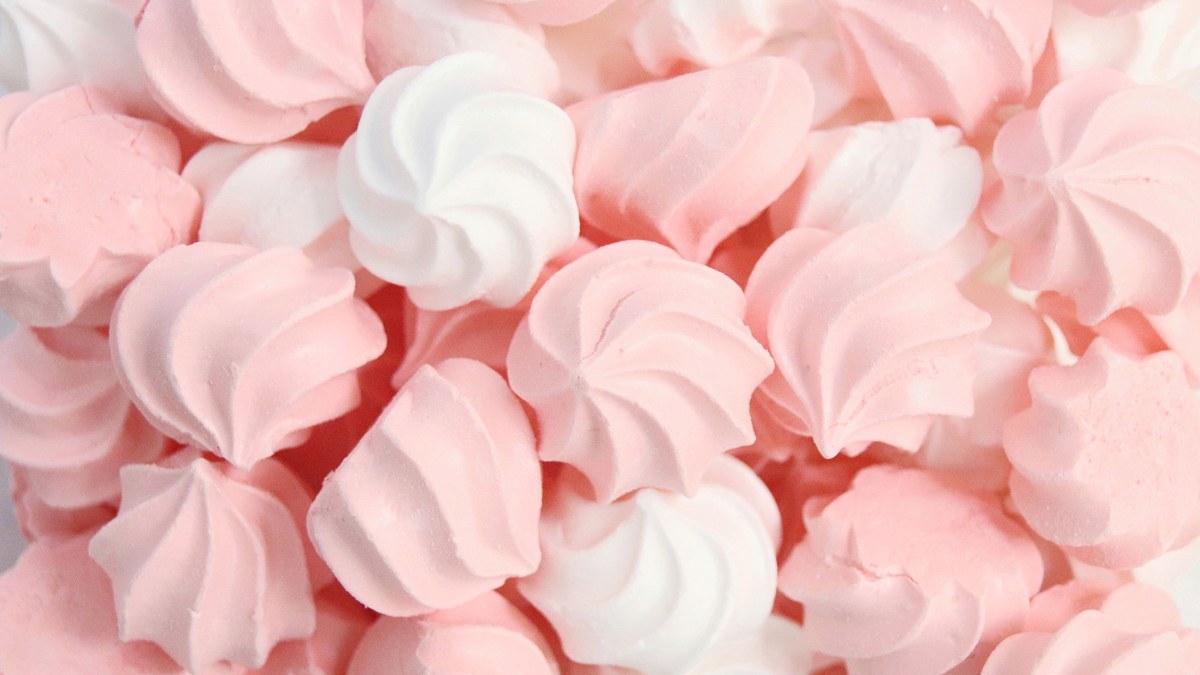
To make meringue, beat 3 room-temperature egg whites with ¼ teaspoon cream of tartar until soft peaks form. Add ¾ cup sugar one tablespoon at a time, then beat until the meringue is thick and glossy and holds stiff peaks. For pie, spread it onto the hot filling and bake at 325°F for 20–30 minutes, as the Egg Safety Center advises.
Handy for this: Cups to tablespoons · Grams to cups
At a glance
- Separate 3 eggs; no yolk in the whites.
- Let the whites reach room temperature.
- Use a clean, grease-free metal or glass bowl.
- Beat with ¼ tsp cream of tartar to soft peaks.
- Add ¾ cup sugar 1 tablespoon at a time.
- Beat to stiff, glossy peaks; no grit when rubbed.
- Pie: bake at 325°F for 20–30 minutes.
The short version
Meringue is egg whites whipped with sugar until they hold their shape. Any trace of fat stops whites from whipping, so the bowl, beaters and whites must be completely clean. Cream of tartar steadies the foam, and adding the sugar slowly is what gives the stiff, glossy finish.
“The custard is coating the spoon. Take it off the heat; it's ready for the meringue.”
Meringue stages
| Stage | What it looks like | When to stop here |
|---|---|---|
| Foamy | Bubbly, clear, liquid underneath | Add cream of tartar now |
| Soft peaks | Peaks curl over when beaters lift | Start adding sugar |
| Firm peaks | Peaks hold, tips bend slightly | Folding into batters |
| Stiff peaks | Glossy; peaks stand straight | Pie topping, cookies, pavlova |
| Overbeaten | Dry, lumpy, starts to separate | Too far; start again |
Meringue types and bake times
| Type | Sugar per white | Bake |
|---|---|---|
| Soft pie meringue | 2 tablespoons | 325°F, 20–30 min |
| Meringue cookies | ¼ cup | 200–225°F, 1½–2 hours, then dry in oven |
| Pavlova | ¼ cup | 250°F, 1–1½ hours |
Egg safety
The Egg Safety Center gives 144–149°F as the temperature that sets egg whites and lists pie meringue at that range, baked at 325°F for 20–30 minutes for a soft meringue. The more whites, the lower the oven and the longer the bake. For no-bake recipes, use pasteurized egg whites. USDA FSIS says raw egg whites keep 2–4 days in the fridge or 12 months frozen, so leftover whites from eggnog or custard can wait.
A worked example
You separate three eggs while they're cold, then leave the whites in a clean glass bowl for 30 minutes. With a hand mixer they turn foamy; you add cream of tartar and beat until soft peaks curl over. A tablespoon of sugar goes in every 15 seconds. Four minutes later the meringue is glossy and stands up straight. You spread it over the hot lemon filling, sealing it to the crust, and bake it at 325°F for 25 minutes.
Common mistakes
- A speck of yolk or grease. The whites won't whip. Start over.
- Adding sugar too fast. The foam deflates and turns gritty.
- Plastic bowls. They hold grease. Use metal or glass.
- Weeping pie meringue. Spread it on hot filling and seal it to the crust.
Keep going
Next up: How to Make Eggnog, How to Make Crepes and How to Make Fudge.
For lemon meringue, see how to zest a lemon without the bitter pith.
Out of cream of tartar? Here's the best substitute for cream of tartar.
Pan watches it for you
Pan watches the filling under the meringue
Cooking a lemon or custard filling on the stove? Pan watches the pot through your phone camera and tells you out loud when it's thick enough, before it scorches.
- Clean bowl, room-temp whites
- Foamy: cream of tartar
- Soft peaks: sugar slowly
- Stiff and glossy: done
Pan AI is on iPhone • Android.
Common questions
Why won't my egg whites form stiff peaks?
Usually a trace of yolk or grease. Use a clean metal or glass bowl.
Can you make meringue without cream of tartar?
Yes. Use ½ teaspoon lemon juice or white vinegar per 3 whites.
How do you keep meringue from weeping?
Spread it on hot filling, seal it to the crust and bake it fully.
How long does it take to whip meringue?
About 5–8 minutes with a hand mixer, less with a stand mixer.
What is the difference between soft and stiff peaks?
Soft peaks curl over when you lift the beaters; stiff peaks stand straight up and the meringue looks glossy.
How do you make meringue cookies?
Pipe stiff meringue onto lined sheets and bake at about 200–225°F for 1–1½ hours, then let them dry in the turned-off oven.
Why did my meringue get beads on top?
Those sugar beads usually mean it was overbaked or the sugar didn't dissolve. Add sugar slowly and bake at the temperature in the recipe.
Sources
- USDA FSIS: Leftovers and Food Safety
- FoodSafety.gov: Safe Minimum Internal Temperatures
- Egg Safety Center: Cooking Eggs to the Right Temperature
- USDA FSIS: Shell Eggs from Farm to Table
Reviewed against USDA FSIS and FoodSafety.gov guidance. How we choose sources and fix mistakes: editorial policy.
Keep cooking
- Eggs & breakfastHow to Make EggnogHow to make eggnog, an easy homemade eggnog recipe: whisk yolks, sugar and milk, heat to 160°F until it coats a spoon, then chill 4 hours. Rum optional.
- Eggs & breakfastHow to Make CrepesHow to make crepes: rest a thin batter 30 minutes, then cook 3 tablespoons at a time over medium heat 60–90 seconds a side. Ratios, flip cues, fillings.
- Eggs & breakfastHow to Make FudgeHow to make fudge on the stove: boil sugar, milk and chocolate to 234–237°F, cool to 110°F, then beat until it loses its shine. Temps and fixes.
- Eggs & breakfastHow to Poach an EggHow to poach an egg: slide a fresh egg into barely simmering water and cook 3–4 minutes, until the white is set and the yolk is soft. Strainer trick inside.
- Free toolInternal temperature chartSafe internal temperatures for steak, chicken, salmon, pork and more, plus a printable PDF.