How to Make French Toast
Quick answer
Whisk 4 eggs with 1 cup milk, 1 tablespoon sugar, 1 teaspoon vanilla, ½ teaspoon cinnamon and a pinch of salt. Soak thick slices of day-old bread 10–20 seconds per side. Cook them in butter over medium heat 2–3 minutes per side, until deep golden and the center springs back when pressed. Serve warm with maple syrup.
Handy for this: Internal temperature chart · Grams to cups converter
At a glance
- Whisk eggs, milk, sugar, vanilla, cinnamon and salt in a shallow dish.
- Heat a skillet or griddle over medium heat and melt a little butter.
- Soak each slice of bread in the custard for 10–20 seconds per side.
- Let the extra custard drip off, then lay the slices in the pan.
- Cook 2–3 minutes per side until deep golden brown.
- Check that the center springs back, then serve with syrup and toppings.
The short version
French toast is bread soaked in a sweet egg custard and cooked in butter. Use thick, day-old bread, give it a quick soak, and cook it over medium heat for 2–3 minutes a side. You want a deep golden outside and a center that's soft and custardy but set, with no wet egg.
The heat is the main thing to get right. Too high and the outside browns before the middle cooks. Medium gets you both.
What you need
This makes 8 slices, enough for 4 people.
- Bread. 8 slices of brioche, challah or thick sandwich bread, ¾–1 inch (2–2.5 cm) thick. Day-old is best.
- Eggs. 4 large.
- Milk. 1 cup (240 ml) of whole milk. Half-and-half makes it richer.
- Flavor. 1 tablespoon sugar, 1 teaspoon vanilla, ½ teaspoon cinnamon and a pinch of salt.
- Butter. 2–3 tablespoons for the pan.
- A large skillet or griddle and a wide spatula. A shallow dish, like a pie plate, for soaking.
Measuring by weight? Our grams to cups converter handles milk, sugar and flour.
How to make French toast, step by step
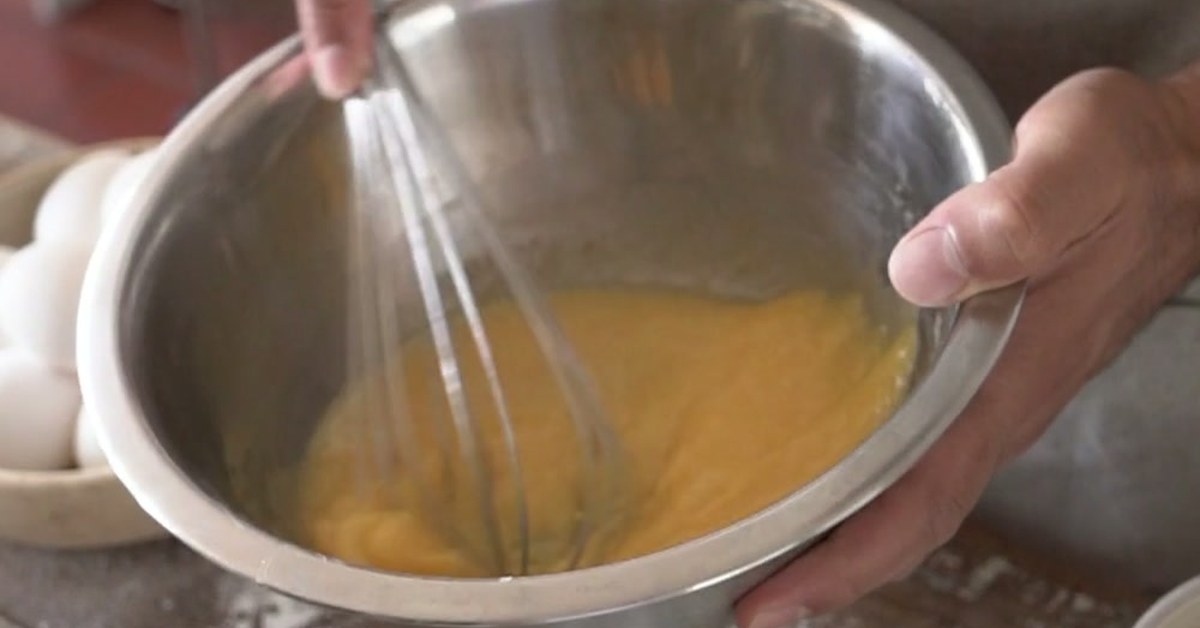
- Make the custard. In a shallow dish, whisk the eggs, milk, sugar, vanilla, cinnamon and salt until smooth, with no streaks of egg white. Cinnamon likes to float, so whisk again right before each slice.
- Heat the pan. Set the skillet over medium heat for about 2 minutes. Add about 1 tablespoon of butter. It should melt and foam right away without turning brown.
- Soak the bread. Lay a slice in the custard for 10–20 seconds per side. Thin sandwich bread needs about 5–10 seconds, thick brioche closer to 20. The bread should feel heavy and saturated, but not falling apart.
- Drip, then cook. Lift the slice, let the extra custard drip back into the dish for a second, and lay it in the pan. Fit as many slices as you can without crowding.
- Cook 2–3 minutes per side. Leave the slices alone until the bottom is deep golden brown, then flip once. Add a little more butter to the pan between batches.
- Check the center. Press the middle of a slice with the spatula. It should spring back, and no wet custard should seep out. If it does, turn the heat down slightly and give it another minute per side.
- Keep warm and serve. Hold finished slices on a rack set over a baking sheet in a 200°F (95°C) oven while you cook the rest. Serve with maple syrup, butter, berries or powdered sugar.
French toast timing table
All times are over medium heat in a preheated, buttered pan.
| Bread | Thickness | Soak per side | Cook per side | Texture |
|---|---|---|---|---|
| Sandwich bread | ½ inch (1.3 cm) | 5–10 sec | 2 min | Light, crisp edges |
| Texas toast | ¾–1 inch (2–2.5 cm) | 15 sec | 2½–3 min | Soft, classic diner style |
| Brioche or challah | 1 inch (2.5 cm) | 15–20 sec | 3–4 min | Rich, custardy center |
| French baguette slices | 1 inch, on the bias | 20–30 sec | 2–3 min | Crisp crust, chewy |
| Frozen cooked slices | Any | None | Toaster or 10 min at 375°F (190°C) | Warm through |
Variations to try
Brioche French toast
The richest version. Use 1-inch slices of day-old brioche and swap half the milk for cream. Cook a little lower and slower, about 3–4 minutes a side, so the buttery bread doesn't brown too fast.
Crispy cinnamon sugar
Right after flipping, sprinkle the cooked side with a little cinnamon sugar. When you flip again for a few seconds, it caramelizes into a crunchy crust.
Dairy-free
Oat milk or almond milk works well. Cook in oil or a plant-based butter.
“The bottom just turned deep golden. Flip it now and give the second side about 2 minutes.”
How to tell when French toast is done
The outside tells you when to flip. The center tells you when to plate.
Sight
- The edges of the slice turn golden first. Peek underneath with the spatula: deep golden brown with a few darker spots means flip.
- A finished slice looks puffed slightly in the middle and the custard on the edges looks set, not wet.
Sound
- A steady, gentle sizzle when the bread hits the pan is right. Silence means the pan needs more heat. Loud crackling means turn it down a notch.
- As the custard sets, the sizzle gets quieter because less liquid is hitting the pan.
Smell
- Toasty butter, vanilla and cinnamon. If the butter smells sharp and the pan starts to smoke, wipe it out and add fresh butter.
Touch
- Press the center. It should feel springy, like a soft cake, not squishy. When you nudge the slice, it should slide freely on the pan.
Temperature and safety
French toast is an egg dish, so USDA's mark is 160°F (71°C). An instant-read thermometer slid into the side of a thick slice should read 160°F (71°C), and no wet custard should show when you cut into the middle. Our doneness temperatures chart lists the numbers for eggs and everything else.
When you're cooking batches, the first side of slice three is where things tend to go a little too far. Pan keeps watch on the underside and tells you out loud when each slice is golden and ready to flip.
Tips for better French toast
- Stale bread is your friend. Leave fresh slices out on the counter for a few hours, or dry them in a 300°F (150°C) oven for 8–10 minutes.
- Don't oversoak. A quick dip keeps the bread from turning soggy. Thicker bread can take longer.
- Medium heat, not high. The outside and the inside should finish at the same time.
- Fresh butter for each batch. Milk solids in butter darken quickly. Wipe the pan between batches if needed, or use half butter and half oil.
- Keep them on a rack. Stacking cooked slices on a plate traps steam and softens the crust.
What to serve with French toast
Maple syrup and a pat of butter are the classic. Fresh berries, sliced bananas or a spoonful of Greek yogurt brighten it up. Warm, cinnamon-y pan-fried apples turn it into a fall brunch. On the savory side, crisp bacon or a side of scrambled eggs rounds out the plate.
Feeding a crowd on the weekend? Make a stack of French toast and a batch from our pancake guide, and let everyone pick.
Extra cream cheese for stuffed French toast keeps in the freezer for cooking; see can you freeze cream cheese.
No powdered sugar for dusting? How to make powdered sugar takes a blender and one minute.
No vanilla? A little maple syrup works; see more vanilla extract substitutes.
Use half and half in the custard for richer slices, and serve it with clotted cream and berries.
Top it with a sauce of frozen berries; see can you freeze strawberries.
Pan watches it for you
Pan tells you when to flip
Pan watches the underside of each slice through the edges and the steam, and tells you when it's deep golden and ready to flip, then again when the second side is done.
- Butter foaming and just starting to smell nutty: lay in the bread
- Edges turning golden and the slice slides when nudged: flip it
- Second side deep golden and steam slowing: almost there
- Center springs back when pressed: plate it
Pan AI is on iPhone • Android.
Common questions
How long do you cook French toast on each side?
About 2–3 minutes per side over medium heat for regular sandwich bread, and 3–4 minutes per side for thick brioche or challah. The outside should be deep golden and the center should spring back when pressed.
What is the best bread for French toast?
Thick-sliced brioche, challah or Texas toast, about ¾–1 inch thick. Day-old bread is best because it soaks up custard without falling apart.
What is the ratio of eggs to milk for French toast?
A good starting point is 1 egg to ¼ cup of milk. Four eggs and 1 cup of milk make enough custard for 8 slices of thick bread.
Why is my French toast soggy in the middle?
The bread soaked too long, the heat was a little high so the outside browned before the center set, or the bread was very fresh. Use day-old bread, soak briefly and cook over medium heat.
Can you make French toast ahead of time?
Yes. Cool cooked slices on a rack, freeze them in a single layer, then bag them for up to 2 months. Reheat in a toaster or a 375°F (190°C) oven for about 10 minutes.
Is French toast safe to eat if the middle is soft?
French toast is an egg dish, and USDA recommends cooking egg dishes to 160°F (71°C). The center is cooked when it springs back and no wet custard shows when you cut into it.
Sources
- USDA FSIS: Shell Eggs from Farm to Table
- USDA FSIS: Safe Minimum Internal Temperature Chart
- Simply Recipes: French Toast
Reviewed against USDA FSIS guidance. How we choose sources and fix mistakes: editorial policy.
Keep cooking
- Eggs & breakfastHow to Make Pancakes From ScratchMake pancakes from scratch by whisking a simple batter, resting it 5 minutes, and cooking ¼ cup at a time over medium heat for 2–3 minutes per side.
- Eggs & breakfastHow to Make Scrambled EggsMake scrambled eggs over medium-low heat in butter for 3–5 minutes, folding slowly and pulling them off while still glossy. Soft, fluffy and diner styles.
- Vegetables & fruitPan Fried ApplesPan frying apples takes about 10 minutes: firm apple slices, butter, brown sugar and cinnamon over medium heat until tender, golden and glossy with syrup.
- Meat & poultryHow to Cook BaconCook bacon in a cold skillet over medium for 8–12 minutes, bake it at 400°F for 15–20, or air fry at 350°F for 8–12. Crispy, flat strips every time.
- Eggs & breakfastHow to Make CrepesMake crepes by resting a thin batter 30 minutes, then cooking 3 tbsp at a time over medium heat for 60–90 seconds a side. Ratios, flip cues, lemon and sugar.
- Eggs & breakfastHow to Cook Bacon in the OvenBake bacon at 400°F (205°C) for 15–20 minutes on a foil-lined sheet or a rack, 20–25 for thick-cut. Or start it in a cold oven. Flat, even strips.
- Free toolInternal temperature chartSafe and perfect internal temperatures for steak, chicken, salmon, pork and more, plus a printable PDF.
- Free toolGrams to cups converterConvert grams to cups (and back) for flour, sugar, butter, rice and 30 more ingredients.