How to Cook Prime Rib
Quick answer
Dry brine the roast with kosher salt overnight. Roast it bone side down at 450°F (230°C) for 15–20 minutes, then at 325°F (165°C) about 13–15 minutes per pound, until the center reads 120°F (49°C). Rest it 20–30 minutes and it finishes near 130°F (54°C), medium-rare. Reverse sear: 225–250°F to the same pull temperature, then 500°F for 8–12 minutes.
Handy for this: Prime rib cooking time calculator · Internal temperature chart · Thawing time calculator
At a glance
- Salt the roast all over, about 1 teaspoon kosher salt per pound, and refrigerate uncovered overnight.
- Heat the oven to 450°F (230°C) and set the roast bone side down in a roasting pan.
- Roast 15–20 minutes, until the fat starts to sizzle and color.
- Lower the oven to 325°F (165°C) and roast about 13–15 minutes per pound.
- Pull the roast when the center reads 120°F (49°C) for medium-rare.
- Rest 20–30 minutes, make the jus in the roasting pan, then carve off the bones and slice.
The short version
Prime rib is mostly patience and a thermometer. Salt the roast the night before. Roast it hot for 15–20 minutes at 450°F (230°C) to start the crust, then turn the oven down to 325°F (165°C) and give it about 13–15 minutes per pound. Pull it when the center reads 120°F (49°C), rest it 20–30 minutes, and it lands at a rosy 130°F (54°C) medium-rare.
If you have more time and want even pink color from edge to center, reverse sear it: low oven first at 225–250°F (110–120°C), about 30–35 minutes per pound, then a short blast at 500°F (260°C) or a hot skillet sear at the end. Either way, the thermometer decides, not the clock.
Planning for Christmas Day 2026, which falls on a Friday? Buy or pick up the roast by Tuesday, December 22, salt it Thursday morning or Christmas Eve night, and work backward from dinner time with the chart below.
What you need
- A prime rib roast, also sold as standing rib roast or bone-in ribeye roast. "Prime" on the menu often just means the cut. USDA Prime grade has more marbling, but a good Choice roast is excellent too.
- Kosher salt, about 1 teaspoon per pound, plus coarse black pepper.
- Garlic, rosemary and thyme mixed with soft butter or olive oil for a simple rub. Optional, but it smells like a holiday.
- A roasting pan with a rack, or just let the bones act as the rack.
- A probe thermometer. A leave-in probe with an alarm is the single best tool here. An instant-read works if you check often near the end.
- Beef stock and a splash of red wine for the jus.
How much to buy
Plan about 1 pound (450 g) per person for bone-in, or ¾ pound (340 g) boneless. A simple rule: 1 rib feeds 2 people. A 3-rib roast (about 6–7 pounds) serves 6, a 4-rib roast serves 8, and a full 7-rib roast feeds a crowd of 14 or so. Ask for the first cut (the loin end, ribs 10–12). It's leaner and more tender than the chuck end.
Bone-in or boneless
Bone-in is more forgiving. The bones insulate one side, so the meat cooks more gently, and you get bones to gnaw on later. Boneless cooks about 10–15% faster and slices without fuss. Many butchers will cut the bones off and tie them back on, which gives you the best of both: the bones protect the meat in the oven, then you snip the string and carve.
If your roast is frozen, give it time. A 6-pound roast needs about 1½–2 days in the fridge. Our thawing time calculator gives exact numbers by weight.
How to cook prime rib (classic method)
- Dry brine overnight. The day before, pat the roast dry and salt it on every side, about 1 teaspoon kosher salt per pound. Set it on a rack over a tray and refrigerate uncovered for 12–24 hours. The surface dries out, the salt works its way in, and the crust browns much better.
- Take it out while the oven heats. Heat the oven to 450°F (230°C). The old advice to leave a roast on the counter for hours doesn't help much: two hours only warms the outer edge a few degrees. Thirty to sixty minutes while the oven heats is plenty.
- Season. Rub with pepper and the garlic-herb butter. Set the roast bone side down, fat cap up, in the pan. Insert the probe into the very center of the thickest part, not touching bone.
- Sear in the oven, 15–20 minutes. Roast at 450°F until the fat starts to sizzle and pick up color.
- Lower the heat. Turn the oven to 325°F (165°C) without opening the door. Roast about 13–15 minutes per pound for medium-rare. A 6-pound roast usually needs about 1¼–1½ hours after the sear.
- Pull at the right temperature. Take it out when the center reads 120°F (49°C) for medium-rare. Start checking 30 minutes before the chart says.
- Rest 20–30 minutes. Move the roast to a board and tent loosely with foil. The center rises about 10°F and the juices settle back into the meat.
- Make the jus while it rests. Pour off all but 2 tablespoons of fat, set the roasting pan over medium-high heat on the stove, add the wine and scrape up the brown bits. Add the stock and simmer 5–8 minutes until reduced by about a third. Season and strain.
- Carve. Run a long knife along the bones to cut the meat free in one piece. Turn the roast cut side down and slice against the grain, ½–¾ inch (1.5–2 cm) thick. Cut the bones apart and serve them on the side.
How to reverse sear prime rib
Reverse sear gives you the most even color, with almost no gray band under the crust. It takes longer, so start early.
- Dry brine overnight as above.
- Heat the oven to 225–250°F (110–120°C). Roast the seasoned roast on a rack, about 30–35 minutes per pound, until the center reads 120°F (49°C) for medium-rare.
- Rest it, tented, for 20–30 minutes or up to an hour. This is your buffer if dinner runs late.
- Turn the oven up to 500°F (260°C). Return the roast for 8–12 minutes, until the outside is deep brown and sizzling. Or sear it in a cast iron skillet over medium-high heat with a tablespoon of high-smoke-point oil, 1–2 minutes per side, fat cap last.
- Carve and serve right away. There's no need for a second rest.
The method is the same as a thick steak, just bigger. Our guide on how to reverse sear a steak walks through the skillet part in more detail, and a well-seasoned pan helps; see how to clean a cast iron pan if yours needs attention after.
Prime rib cooking time chart
Times are for medium-rare (pull at 120°F) with a roast straight from the fridge. Classic times are after the 15–20 minute sear at 450°F. Larger roasts cook faster per pound, so check early.
| Weight (bone-in) | Ribs / serves | Classic: 325°F (165°C) after sear | Reverse sear: 225–250°F (110–120°C) |
|---|---|---|---|
| 4 lb (1.8 kg) | 2 ribs / 4 | 50–60 min | 2–2½ hr |
| 6 lb (2.7 kg) | 3 ribs / 6 | 1¼–1½ hr | 3–3½ hr |
| 8 lb (3.6 kg) | 4 ribs / 8 | 1¾–2 hr | 4–4½ hr |
| 10 lb (4.5 kg) | 5 ribs / 10 | 2¼–2½ hr | 5–5½ hr |
| 12 lb (5.4 kg) | 6 ribs / 12 | 2½–3 hr | 6–7 hr |
| 14 lb (6.4 kg) | 7 ribs / 14 | 3–3½ hr | 7–8 hr |
| 16 lb (7.3 kg) | 7 ribs / 16 | 3½–4 hr | 8–9 hr |
Pull temperatures by doneness
| Doneness | Pull from oven | After 20–30 min rest |
|---|---|---|
| Rare | 115°F (46°C) | 125°F (52°C) |
| Medium rare | 120°F (49°C) | 130°F (54°C) |
| Medium | 130°F (54°C) | 140°F (60°C) |
| Medium well | 140°F (60°C) | 150°F (66°C) |
| Well done | 150°F (66°C) | 160°F (71°C) |
The same numbers for steak, pork and poultry are on our prime rib cooking time calculator.
“The center just reached 120°F. Pull the roast now and let it rest while you make the jus.”
What time to put prime rib in the oven
Count back from dinner: 15 minutes at 450°F, the longest 325°F time from the chart above, 30 minutes to rest and 15 minutes to carve. Start checking the temperature at the low end of the range.
| Prime rib, medium rare | Dinner at 5:00 PM | Dinner at 7:00 PM |
|---|---|---|
| 4 lb | 3:00 PM | 5:00 PM |
| 6 lb | 2:30 PM | 4:30 PM |
| 8 lb | 2:00 PM | 4:00 PM |
| 10 lb | 1:30 PM | 3:30 PM |
| 12 lb | 1:00 PM | 3:00 PM |
| 14 lb | 12:30 PM | 2:30 PM |
| 16 lb | 12:00 PM | 2:00 PM |
How to tell when prime rib is done
A roast this size hides what's going on inside, so lean on temperature and use your other senses to confirm.
Sight
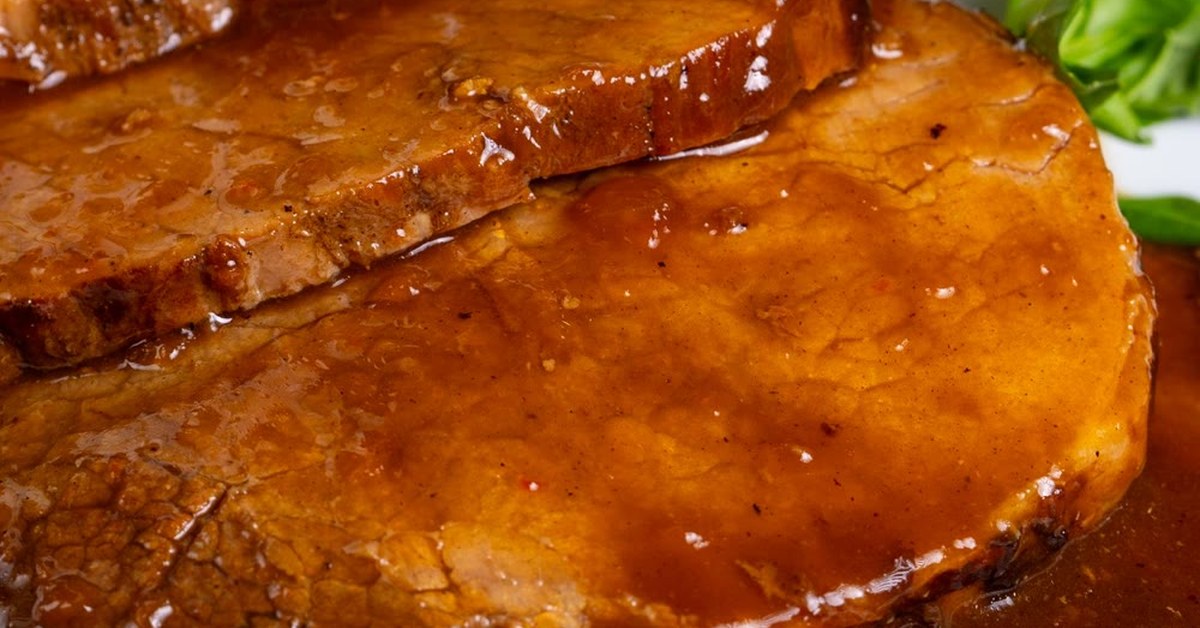
- The fat cap turns deep golden brown and looks crisp, with little beads of fat bubbling on top.
- Juices running into the pan go from almost none to a steady pool of clear, golden fat. When you see a lot of red juice leaking, the meat is getting close to medium.
Sound
- Open the oven and listen. A steady, busy sizzle in the pan means the fat is rendering well. During the low-oven stage of a reverse sear it's nearly silent, which is normal.
Smell
- Roasting garlic and browned beef fat fill the kitchen during the last 30 minutes or so. A sharp, acrid smell means the drippings are getting too dark; add a splash of water to the pan.
Touch
- Press the center of the meat (not the fat cap) with tongs. Medium-rare gives a little and springs back slowly. Firm and tight means medium or beyond. Touch is a backup on a roast, not a replacement for the thermometer.
Temperature
Pull medium-rare at 120°F (49°C) and let carryover take it to about 130°F (54°C). USDA's safe minimum for beef roasts is 145°F (63°C) with a 3-minute rest. Many cooks prefer prime rib medium-rare, and that's how most restaurants serve it; for guests who are pregnant, older or immune-compromised, cook slices to 145°F. When you get to the skillet sear and the jus, Pan can keep an eye on the crust and the reduction and tell you when each is ready, so you can focus on carving.
Tips for a better prime rib
- Don't skip the dry brine. Even 4 hours helps. Overnight is better. It seasons deeper and dries the surface for a darker crust.
- Use a leave-in probe. Opening the oven to check every 15 minutes drops the heat and slows things down. A probe with an alarm set to 115°F gives you a 5°F warning.
- Build in buffer time. Roasts vary. Aim to finish 45–60 minutes before dinner. A rested roast stays warm under foil for an hour, and reverse-seared roasts get their sear right before serving anyway.
- Use the oven while it rests. Once the roast comes out, crank the oven up for the roast potatoes and Yorkshire puddings.
- Carve against the grain. On a rib roast the grain runs parallel to the bones, so slice across, the same direction as the bones.
- Save the leftovers well. Wrap slices and refrigerate within 2 hours. Reheat gently to 165°F (74°C) in a covered pan with a splash of jus, or eat them cold in sandwiches.
What to serve with prime rib
Classic sides are classic for a reason. Crispy roast potatoes or a bowl of mashed potatoes soak up the jus. Add something green, like roasted Brussels sprouts or garlicky green beans, and horseradish cream (sour cream, prepared horseradish, lemon and salt) on the side.
Cooking it for Christmas? The Christmas dinner planner works backward from the time you eat and gives you a minute-by-minute timeline for the main and the sides, and our Christmas dinner cooking guide has times for prime rib, ham and turkey in one place.
If your crowd likes a thicker sauce, turn the drippings into a proper pan gravy with our gravy guide. And if you'd like to practice the technique before the big day, a thick ribeye steak is the same cut in miniature. Cook one the weekend before and you'll walk into Christmas dinner calm.
No rosemary for the crust? See substitute for rosemary.
Pan watches it for you
Pan watches the sear and the jus
The oven does the long part. Pan helps at the two stovetop moments: the final sear in a hot skillet and the jus simmering in the roasting pan, and it speaks up when each one is ready.
- Oil rippling with the first wisp of smoke: lay the roast in
- Fat cap deep golden brown all over: turn to the next side
- Jus reduced by about a third and coating a spoon: take it off the heat
- Sizzle fading to a soft bubble in the pan: the drippings are ready to deglaze
Pan AI is on iPhone • Android.
Common questions
How long do you cook prime rib per pound?
With the classic method, sear at 450°F for 15–20 minutes, then roast at 325°F for about 13–15 minutes per pound for medium-rare. With reverse sear at 225–250°F, plan on about 30–35 minutes per pound. Big roasts land at the low end per pound, so always go by a thermometer.
What temperature do you pull prime rib for medium-rare?
Pull it at 120°F (49°C). The temperature climbs about 10°F during a 20–30 minute rest, so it finishes near 130°F (54°C). Pull at 115°F for rare and 130°F for medium.
What is the USDA safe temperature for prime rib?
USDA's safe minimum for beef roasts is 145°F (63°C) with a 3-minute rest, which is medium-well on a prime rib. Many cooks serve it medium-rare, around 130°F. If you're cooking for anyone pregnant, elderly or immune-compromised, cook to 145°F.
How much prime rib do I need per person?
Plan about 1 pound (450 g) per person bone-in or ¾ pound (340 g) boneless. That works out to roughly 1 rib for every 2 people. A 3-rib roast feeds about 6 with leftovers if the sides are generous.
Should prime rib sit out before roasting?
An hour on the counter warms only the outer half inch and barely changes the cooking time. Take it out while the oven heats, about 30–60 minutes, if that's convenient, but don't count on it. The low oven and the thermometer do the real work.
Bone-in or boneless prime rib?
Bone-in is a little more forgiving because the bones shield one side from the heat, and the bones make a natural rack. Boneless cooks a bit faster and carves more easily. A good compromise is to have the butcher cut the bones off and tie them back on.
What time should I put prime rib in the oven for a 5 PM dinner?
An 8 lb prime rib goes in by 2:00 PM: 15 minutes at 450°F, up to 2 hours at 325°F, then 30 minutes to rest and 15 minutes to carve. A 4 lb roast goes in by 3:00 PM and a 12 lb roast by 1:00 PM.
Sources
- USDA FSIS: Safe Minimum Internal Temperature Chart
- Jessica Gavin: Prime Rib
- RecipeTin Eats: Standing Rib Roast
Reviewed against USDA FSIS guidance. How we choose sources and fix mistakes: editorial policy.
Keep cooking
- Thanksgiving & holidaysHow to Make Roast PotatoesParboil potatoes 8–10 minutes, rough them up, then roast in hot fat at 425°F (220°C, gas 7) for 45–60 minutes, turning once, until crisp and golden.
- Thanksgiving & holidaysHow to Reverse Sear SteakReverse sear a ribeye: bake at 250°F until 10 to 15°F below your target, then sear 1 minute per side in a very hot skillet. Times, pull temps and cues inside.
- Thanksgiving & holidaysHow to Make GravyMake gravy with a roux: cook 2 tbsp fat and 2 tbsp flour for 2–3 minutes, whisk in 1 cup warm broth, and simmer 5–8 minutes until it coats a spoon.
- Vegetables & fruitHow to Make Mashed PotatoesBoil peeled Yukon Gold chunks in salted water 15–20 minutes until a fork slides in, then mash with warm butter and milk. Ratios, times and fixes inside.
- Thanksgiving & holidaysHow to Make Beef WellingtonMake beef Wellington by wrapping seared tenderloin in duxelles, prosciutto and puff pastry, then bake at 425°F for 25–35 minutes until it reads 120–125°F.
- Thanksgiving & holidaysBoxing Day LeftoversTurn Boxing Day leftovers into bubble and squeak, turkey sandwiches, pie, hash and soup. Plus safety: chill in 2 hours, eat in 3–4 days, reheat to 165°F.
- Free toolPrime rib cooking time calculatorTime by weight and doneness, classic or reverse sear, with pull temps and when it goes in the oven.
- Free toolInternal temperature chartSafe and perfect internal temperatures for steak, chicken, salmon, pork and more, plus a printable PDF.
- Free toolThawing time calculatorHow long to thaw a turkey, chicken, ground beef or fish safely, in the fridge or cold water.