How to Boil Chicken Breast
Quick answer
Cover boneless, skinless chicken breasts with cold water or broth by 1 inch, add salt and bring to a boil. Lower to a gentle simmer: 12–15 minutes for 6–8 oz breasts, 15–18 for large ones, 25–30 for bone-in and about 50% longer from frozen. It's done at 165°F (74°C) in the thickest part. Rest 5 minutes, then slice or shred.
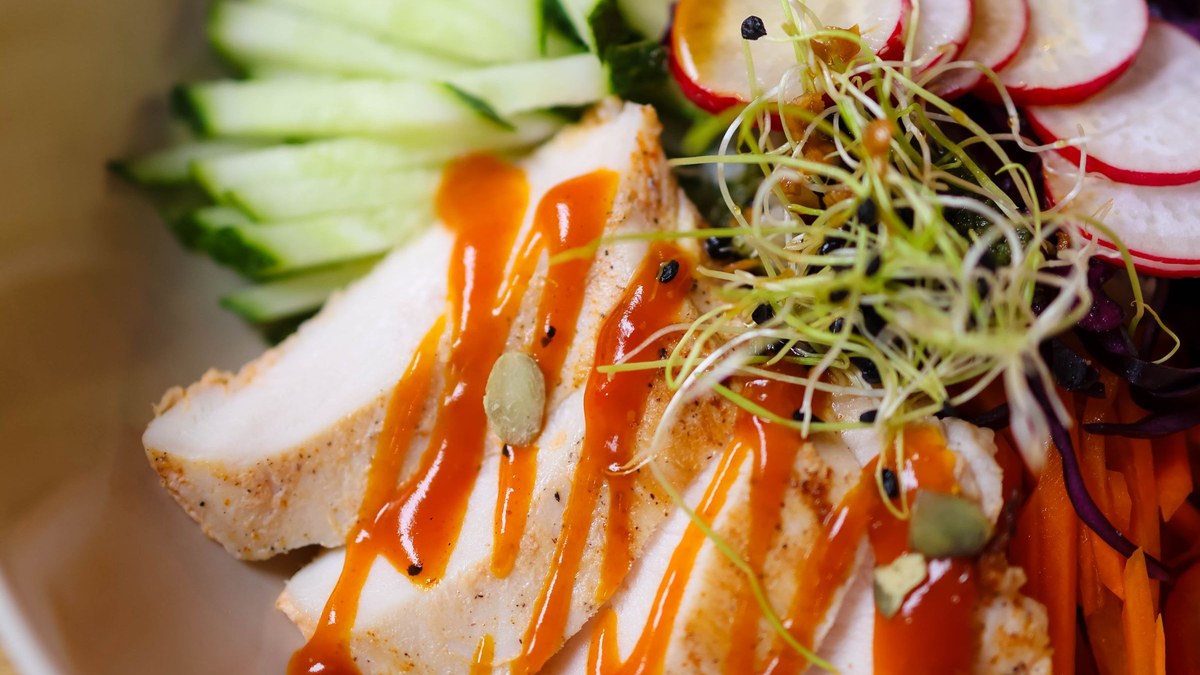
Handy for this: Boiling times chart · Internal temperature chart
At a glance
- Put the chicken breasts in a single layer in a pot.
- Cover with cold water or broth by 1 inch and add 1 tsp salt per quart.
- Bring to a boil over medium-high heat, then turn it down to a gentle simmer.
- Simmer boneless breasts 12–15 minutes, large breasts 15–18, bone-in 25–30.
- Check the thickest part: it should read 165°F (74°C).
- Rest the chicken 5 minutes, then slice or shred it with two forks.
The short version
Boneless, skinless chicken breasts take 12–15 minutes to boil once the water comes up to a boil and you turn it down to a gentle simmer. Large breasts take 15–18 minutes, bone-in breasts 25–30 minutes, and frozen breasts about half again as long. The chicken is done when the thickest part reads 165°F (74°C).
The secret to boiled chicken that isn't dry is that you don't really boil it. You bring the pot to a boil, then turn it down so the water just shivers with small bubbles. A hard boil tightens the meat and squeezes the juice out. A gentle simmer gives you soft, juicy chicken that slices cleanly and shreds in seconds.
What you need
- Chicken breasts. 4 boneless, skinless breasts, about 2 lb (900 g) total. Try to buy breasts of a similar size so they finish together.
- Liquid. Cold water is fine. Low-sodium chicken broth gives the meat more flavor, and the leftover liquid becomes a light stock.
- Salt. About 1 teaspoon per quart of water. It seasons the chicken from the outside in.
- Aromatics, if you like. A bay leaf, a couple of smashed garlic cloves, half an onion, a celery stalk and a few peppercorns.
- Gear. A pot wide enough for the chicken to lie in one layer, tongs and an instant-read thermometer.
How to boil chicken breast, step by step
- Lay the chicken in the pot. Put the breasts in a single layer. If they are stacked, the ones on top cook slower.
- Cover with cold liquid. Add water or broth to cover by about 1 inch (2.5 cm). Starting cold lets the outside and center heat up more evenly.
- Season. Add the salt and any aromatics.
- Bring to a boil. Use medium-high heat. This takes 8–12 minutes depending on your pot and stove. Skim off any gray foam that rises.
- Turn it down to a simmer. As soon as the water boils, lower the heat until you see only small bubbles. Start your timer here.
- Simmer to temperature. 12–15 minutes for average boneless breasts, 15–18 for large ones, 25–30 for bone-in. Start checking a couple of minutes early.
- Check 165°F (74°C). Lift the thickest breast out with tongs and push the thermometer into the center from the side.
- Rest and use. Let the chicken rest 5 minutes on a board, then slice or shred it. Save the cooking liquid for soup or rice.
Boiled chicken breast time chart
Times start when the water reaches a boil and you turn it down to a simmer. For other foods, see our full boiling times chart.
| Cut | Size | Fresh | Frozen | Done at |
|---|---|---|---|---|
| Boneless breast, thin-sliced cutlet | 3–4 oz (85–115 g) | 8–10 min | 12–15 min | 165°F (74°C) |
| Boneless breast, average | 6–8 oz (170–225 g) | 12–15 min | 18–22 min | 165°F (74°C) |
| Boneless breast, large | 10–12 oz (280–340 g) | 15–18 min | 22–27 min | 165°F (74°C) |
| Bone-in, skin-on split breast | 10–14 oz (280–400 g) | 25–30 min | 35–45 min | 165°F (74°C) |
| Chicken tenderloins | 1–2 oz (30–55 g) | 8–10 min | 12–14 min | 165°F (74°C) |
| Cubes | 1 inch (2.5 cm) | 6–8 min | Thaw first | 165°F (74°C) |
| Strips | ½ inch (1.3 cm) thick | 5–7 min | Thaw first | 165°F (74°C) |
A very full pot or a low-powered stove takes longer to return to a simmer, so trust the thermometer over the clock. Our doneness temperatures chart has every meat in one place.
Whole breasts vs. cubed chicken
Whole breasts are the best choice for shredding and for slicing into neat pieces. They hold on to their juice because there is less cut surface, and they are easier to check with a thermometer.
Cubed chicken cooks fast, in 6–8 minutes, and works well when it is going straight into soup, fried rice or a casserole. The small pieces lose more moisture, so keep the simmer very gentle and pull them as soon as the centers turn white. If you are making soup, you can cook the cubes right in the broth; our chicken noodle soup guide does just that.
Boiling frozen chicken breast
You can boil chicken straight from frozen, and it is one of the safest ways to cook it from frozen, since the water surrounds every side. Plan on about 50% more time. Break up breasts that are frozen together before they go in, or they'll cook as one thick block. Start them in cold water, bring it to a boil, then simmer as usual. Check each breast for 165°F (74°C), because frozen pieces can vary more. Cubing frozen chicken is hard, so cube after thawing or cooking. If you have a day to plan, our thawing time tool shows how long chicken takes in the fridge.
Bone-in chicken breast
Bone-in, skin-on split breasts take 25–30 minutes, but they reward you with richer meat and a cooking liquid that tastes like real stock. The skin does not crisp in water, so pull it off after cooking and discard it. Probe near the bone, without touching it, for 165°F (74°C). If you love bone-in chicken but want a crisp finish, try oven-baked chicken breast instead.
“The pot is at a gentle simmer now, small bubbles only. Keep it there and the chicken will stay tender.”
How to tell when boiled chicken breast is done
Sight
- Raw chicken is pink and glossy. Done chicken is opaque white all over, with no pink in the center when you cut the thickest one open.
- The meat firms up and rounds out a little in the water. Juices from a small cut look clear, not pink.
Sound
- A quiet, low burble means the simmer is right. A loud, rolling boil means the heat is too high for tender meat.
Smell
- Toward the end, the kitchen smells like light chicken stock. That is a good time to pull a breast out and check it.
Touch
- Press the thickest part with tongs. Done chicken feels firm and springs back. Raw chicken feels soft and squishy.
- Pull at the thin end with a fork. Cooked chicken separates into strands easily.
Temperature
USDA says all poultry is safe at 165°F (74°C), measured in the thickest part. That one number is the only truly reliable test, since color can mislead. Chicken that goes far past 165°F (74°C) gets dry and stringy, so check early and pull it on time.
The tricky part is holding the pot at a simmer after it boils. That is where Pan helps: it watches the pot, tells you when the water reaches a boil so you can turn it down, and lets you know if it climbs back up.
How to shred boiled chicken
- Two forks. Hold the breast with one fork and pull the other through it along the grain. Best for one or two breasts.
- Stand mixer. Put warm chicken in the bowl and run the paddle on low for 20–30 seconds. Great for big batches.
- Hand mixer. Same idea in a deep bowl, on the lowest speed.
- Shred it warm. Warm chicken pulls apart much more easily than cold. Splash in a few spoonfuls of the cooking liquid to keep it moist.
Tips for juicy boiled chicken
- Use even breasts. If one breast is much thicker, pound it lightly or cut it in two so everything finishes at once.
- Season the water well. Bland water gives bland chicken. Salt, garlic and a bay leaf go a long way.
- Cool it in the liquid. For meal prep, let the chicken cool for 10 minutes in the cooking liquid before you take it out. It soaks up a little moisture back.
- Store safely. Refrigerate cooked chicken within 2 hours and use it within 3–4 days, or freeze it in portions with a little broth.
- Keep the broth. Strain the cooking liquid and use it for rice, soup or gravy. Our chicken stock guide shows how to go further.
What to do with boiled chicken breast
Boiled chicken is a blank canvas. Shred it for chicken salad, tacos, enchiladas or quesadillas. Slice it over a grain bowl with stovetop rice, or fold it into pasta. For a week of lunches, our meal prep chicken guide has more ideas.
Want a golden crust instead? Pan-seared chicken breast takes about the same time, and air fryer chicken breast or air fryer chicken tenders need almost no hands-on work. For the full safety picture, see our chicken internal temperature guide.
Pan watches it for you
Pan keeps the pot at a simmer
Boiled chicken stays tender when the water barely bubbles. Pan watches the pot, tells you when it reaches a boil so you can turn it down, and warns you if it creeps back up to a hard boil.
- Big rolling bubbles across the surface: turn the heat down now
- Small, lazy bubbles at the edges: that's the simmer you want
- Foam gathering on top: skim it off with a spoon
- Water bubbling hard again: lower the heat a notch
Pan AI is on iPhone • Android.
Common questions
How long do you boil boneless chicken breast?
An average boneless, skinless breast of 6–8 oz (170–225 g) takes 12–15 minutes at a gentle simmer once the water comes to a boil. Large 10–12 oz (280–340 g) breasts take 15–18 minutes. Check for 165°F (74°C) in the thickest part.
How long to boil frozen chicken breast?
Frozen boneless breasts take about 50% longer: 18–22 minutes for average breasts and 22–27 minutes for large ones. Separate them before they go in the pot so they cook evenly, and check every breast for 165°F (74°C).
How long do you boil bone-in chicken breast?
Bone-in, skin-on split breasts take 25–30 minutes at a simmer, and up to 35 minutes for very large ones. Probe close to, but not touching, the bone for 165°F (74°C).
How long to boil chicken breast for shredding?
Use the same times: 12–15 minutes for average boneless breasts. Chicken shreds easily as soon as it reaches 165°F (74°C). Rest it 5 minutes, then pull it apart with two forks or a stand mixer on low.
How long do cubed chicken breast pieces take to boil?
1-inch (2.5 cm) cubes take 6–8 minutes at a simmer, and thin strips about 5–7 minutes. Cut one open: the center should be white all the way through, and a thermometer should read 165°F (74°C).
Why is my boiled chicken rubbery?
Usually the water boiled hard the whole time or the chicken cooked well past 165°F (74°C). Keep the pot at a gentle simmer with small bubbles, and pull the chicken as soon as it hits temperature.
How long does boiled chicken last in the fridge?
USDA says cooked chicken keeps 3–4 days in the refrigerator. Refrigerate it within 2 hours of cooking, or freeze it for longer storage.
How long to boil large chicken breasts?
15–18 minutes for 10–12 oz (280–340 g) boneless breasts, or 22–27 minutes from frozen, until 165°F (74°C) in the thickest part.
How long to boil chicken tenderloins?
8–10 minutes fresh or 12–14 minutes frozen, counted from when the water boils and you turn it down to a simmer.
Sources
- USDA FSIS: Safe Minimum Internal Temperature Chart
- USDA FSIS: Chicken from Farm to Table
- USDA FSIS: Leftovers and Food Safety
Reviewed against USDA FSIS guidance. How we choose sources and fix mistakes: editorial policy.
Keep cooking
- Meat & poultryHow to Cook Chicken Breast on the StoveCook a ¾-inch chicken breast on the stove 5–6 minutes per side over medium-high, then medium, until it reads 165°F. Times by thickness and doneness cues.
- Meat & poultryHow to Cook Chicken Breast in the OvenBake chicken breast at 400–425°F for 18–25 minutes, until the thickest part reads 165°F. Pound it even, season well and rest 5 minutes before slicing.
- Meat & poultryMeal Prep ChickenCook a batch of chicken breasts or thighs to 165°F (74°C) on the stove or at 425°F in the oven, cool fast, refrigerate 3–4 days or freeze, and reheat to 165°F.
- Soups & stewsHow to Make Chicken Noodle SoupMake chicken noodle soup by simmering bone-in chicken in broth with vegetables for 25–30 minutes to 165°F, then shredding it and cooking noodles 6–8 minutes.
- Start hereChatGPT for Cooking vs Pan AI: What Changes on December 11, 2026ChatGPT voice changes on Dec 11, 2026, and Live has no video. An honest ChatGPT cooking alternative that watches your pan, and where ChatGPT still wins.
- Start herePan AI vs Samsung FoodSamsung Food saves recipes, plans meals and builds shopping lists. Pan AI watches your pan and tells you when to flip. Where each one is better, side by side.
- Free toolBoiling times chartHow long to boil chicken, shrimp, potatoes, corn, broccoli and 30+ more foods.
- Free toolInternal temperature chartSafe and perfect internal temperatures for steak, chicken, salmon, pork and more, plus a printable PDF.