Air Fryer Vegetables
Quick answer
Cut vegetables into even 1-inch (2.5 cm) pieces, toss with about 1 tablespoon of oil per pound plus salt, and air fry in a single loose layer at 375–400°F (190–205°C). Tender vegetables like asparagus, zucchini and broccoli take 6–10 minutes; carrots, cauliflower and Brussels sprouts 12–18; potato and squash cubes 15–22. Shake the basket halfway. Preheating for 3 minutes gives better browning.
Handy for this: Cooking oil smoke points · What can I make?
At a glance
- Preheat the air fryer to 375–400°F (190–205°C) for 3 minutes.
- Cut the vegetables into even 1-inch (2.5 cm) pieces.
- Toss with 1 tablespoon of oil per pound, salt and pepper.
- Spread in a single loose layer in the basket.
- Air fry for the time in the chart, shaking halfway through.
- Season again and finish with lemon, herbs or cheese.
The short version
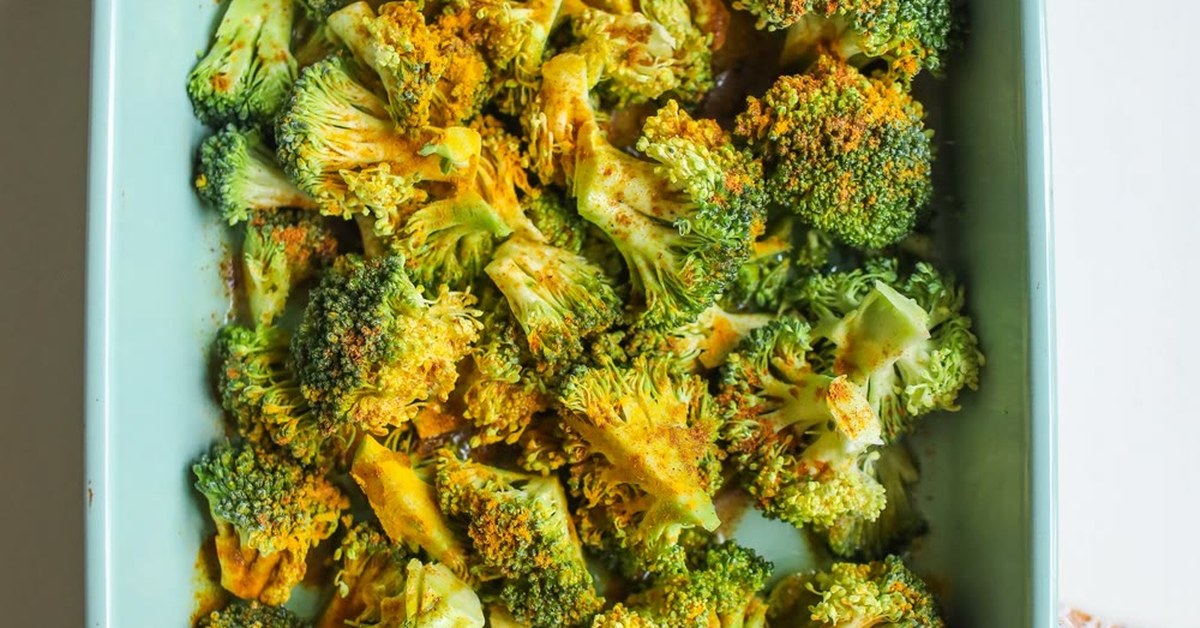
The air fryer is a tiny, very fast convection oven, and vegetables love it. Cut them into even 1-inch (2.5 cm) pieces, toss with 1 tablespoon of oil per pound and a good pinch of salt, and spread them in a loose single layer. Air fry at 375–400°F (190–205°C): quick vegetables like asparagus and zucchini take 6–10 minutes, sturdier ones like carrots and Brussels sprouts 12–18, and potatoes or squash 15–22. Shake halfway. That's it.
The chart below has times for each vegetable. If you'd rather use a sheet pan for a big batch, our guide on how to roast vegetables covers the oven version.
What you need
- 1 lb (450 g) of vegetables. That's about 4 side servings: one large head of broccoli, a bag of Brussels sprouts, 4–5 medium carrots, or 2 medium zucchini.
- 1 tablespoon of olive oil. Avocado oil is a good pick for 400°F cooking. The smoke points chart shows how oils compare.
- 1/2 teaspoon of kosher salt and 1/4 teaspoon of black pepper.
- Optional finishes: a lemon wedge, fresh herbs, or a little grated Parmesan.
- An air fryer, a large bowl for tossing, tongs, and a knife and cutting board.
Size matters here. A 4-quart basket holds about 3/4 lb (340 g) in a single layer; a 6-quart about 1 lb (450 g). Oven-style air fryers spread a pound across two racks and usually need 2–3 minutes more, with a rack swap halfway.
How to cook vegetables in the air fryer
- Preheat. Run the air fryer at 375–400°F (190–205°C) for 3 minutes while you prep. Browning starts as soon as the vegetables land.
- Cut evenly. Aim for about 1-inch (2.5 cm) pieces. Halve Brussels sprouts through the stem, cut carrots into 1/2-inch (12 mm) coins or sticks, and keep broccoli florets about the size of a walnut.
- Dry them. Washed vegetables should be patted dry. Water on the surface steams instead of browning.
- Oil and season. In a bowl, toss the vegetables with oil, salt and pepper until every piece is lightly coated. Tossing in a bowl rather than in the basket gets you even coverage.
- Single layer. Spread them in the basket with a little space around the pieces. A few touching is fine; a big pile isn't.
- Air fry and shake. Cook for the time in the chart below, shaking the basket or turning the pieces with tongs halfway through.
- Finish. Taste, add a pinch more salt, and brighten with lemon, herbs or cheese. Add delicate things like Parmesan or garlic in the last 1–2 minutes so they don't scorch.
Air fryer vegetable cooking times chart
For a preheated 4–6 quart basket, 1-inch pieces, lightly oiled, in a single loose layer. Start checking 2 minutes early the first time. A crowded basket can add 3–5 minutes.
| Vegetable | Cut | Temperature | Time | Shake |
|---|---|---|---|---|
| Asparagus | Trimmed spears | 400°F (205°C) | 6–8 min | Once |
| Broccoli | Walnut-size florets | 375°F (190°C) | 8–10 min | Once |
| Green beans | Trimmed, whole | 375°F (190°C) | 8–10 min | Once |
| Zucchini or yellow squash | 1/2-inch (12 mm) half-moons | 400°F (205°C) | 8–10 min | Once |
| Bell peppers | 1-inch (2.5 cm) strips | 375°F (190°C) | 8–10 min | Once |
| Mushrooms | Halved or quartered | 380°F (195°C) | 8–10 min | Once |
| Red onion | 1-inch (2.5 cm) wedges | 375°F (190°C) | 10–12 min | Once |
| Cauliflower | 1-inch (2.5 cm) florets | 375°F (190°C) | 12–15 min | Twice |
| Carrots | 1/2-inch (12 mm) coins or sticks | 380°F (195°C) | 12–15 min | Twice |
| Eggplant | 1-inch (2.5 cm) cubes | 380°F (195°C) | 12–15 min | Twice |
| Brussels sprouts | Halved | 375°F (190°C) | 15–18 min | Twice |
| Sweet potato | 3/4-inch (2 cm) cubes | 400°F (205°C) | 15–18 min | Twice |
| Butternut squash | 3/4-inch (2 cm) cubes | 390°F (200°C) | 15–18 min | Twice |
| Potatoes | 3/4-inch (2 cm) cubes | 400°F (205°C) | 18–22 min | Every 6 min |
| Frozen broccoli or cauliflower | Straight from frozen | 400°F (205°C) | 12–16 min | Twice |
Following an oven recipe? The air fryer hub has an oven-to-air-fryer converter. Most roasting times shrink by about 20–25% with the temperature about 25°F (15°C) lower.
“The garlic just turned pale gold and smells sweet. Toss in the vegetables now and take it off the heat.”
Cooking asparagus on its own? Air fryer asparagus covers thickness, seasoning and done cues.
How to tell when air fryer vegetables are done
Sight
- You want browned, slightly crisp edges on the cut sides and tips. Broccoli tips go deep green to dark brown; sprouts get golden, crackly outer leaves; carrots and squash blister and caramelize at the edges.
- Pale, glossy vegetables with no color need more time, or the basket is too full.
- Small, very dark tips on broccoli and kale are a feature for many people. If you'd like less color, drop to 360°F (180°C) and add 2 minutes.
Sound
- Vegetables that are still full of water make a soft, wet hiss. As they dry and brown, the sound gets quieter and drier, and pieces skitter around when you shake the basket.
Smell
- A sweet, nutty, roasted smell means the sugars are caramelizing. Broccoli and sprouts smell toasty when ready; if they smell strongly sulfurous, they've gone soft inside and slightly past their best.
Touch
- Pierce the thickest piece with a fork or the tip of a knife. Carrots, potatoes and squash should be tender all the way through. Broccoli, beans and asparagus should be tender with a little snap.
Temperature and safety
Vegetables don't need a minimum internal temperature; tender is done. Rinse produce under running water before cutting, as FDA recommends, and dry it well. Refrigerate leftovers within 2 hours and reheat them until steaming hot, 165°F (74°C). They re-crisp nicely in the air fryer at 375°F (190°C) for 3–4 minutes.
If you like to finish your vegetables in a skillet with garlic butter or a honey glaze, that stovetop step is where Pan helps: it watches the pan and tells you when the glaze is glossy and ready to toss.
Tips for better air fryer vegetables
- Same size, same time. Even pieces cook evenly. Mixed sizes give you some soft and some charred.
- Mixing vegetables. Start dense ones (potatoes, carrots, squash) first, then add quick ones (zucchini, peppers, mushrooms) for the last 8–10 minutes.
- Don't drown them. Too much oil drips into the drawer and smokes. One tablespoon per pound is enough.
- Season in two rounds. Salt before cooking for flavor, and a pinch of flaky salt after for crunch.
- Keep sauces for the end. Sugary glazes and sauces darken fast in the air fryer. Toss them on in the last 2 minutes, or warm them in a skillet and toss the vegetables there.
- Small air fryer, small batches. In a 2–3 quart basket, cook 1/2 lb (225 g) at a time. Keep the first batch warm in a 200°F (95°C) oven.
- Flavor ideas. Garlic powder and Parmesan on broccoli, maple and chili flakes on sprouts, cumin and lime on sweet potato, soy and sesame on green beans.
What to serve with air fryer vegetables
Air fryer vegetables fit almost any dinner. Serve them with roast chicken, steak, or air fryer salmon, which cooks in about the same time, so you can do the vegetables first and keep them warm. Toss leftovers into grain bowls, omelettes or pasta the next day.
For more single-vegetable detail, see our guides on how to cook broccoli and how to cook Brussels sprouts. If you'd rather cook on the stove, how to cook vegetables on the stove covers sautéing and steaming. And for fries alongside, our air fryer french fries guide has the times.
For broccoli you froze yourself, see can you freeze broccoli.
Pan watches it for you
Pan watches the skillet finish
Pan doesn't look inside your air fryer. When you finish the vegetables in a skillet with garlic butter or a quick glaze, Pan watches the pan and tells you when to toss and serve.
- Butter foaming and the garlic going pale gold: add the vegetables
- Honey or soy glaze bubbling and turning glossy: toss now
- Glaze thickening to a syrup that coats the spoon: take it off the heat
- Edges of the glaze darkening fast: lower the heat right away
Pan AI is on iPhone • Android.
Common questions
How long do you cook vegetables in the air fryer?
Most vegetables take 8–18 minutes at 375–400°F (190–205°C). Asparagus and zucchini are done in about 6–10 minutes, broccoli in 8–10, Brussels sprouts in 15–18, and potato cubes in 18–22. Shake the basket halfway.
What temperature do you air fry vegetables at?
375°F (190°C) suits most vegetables, especially delicate florets that can char at the tips. Go up to 400°F (205°C) for dense, starchy vegetables like potatoes and squash, and for watery ones like zucchini that need fast heat to brown before they soften.
Do you need oil to air fry vegetables?
A little oil gives much better browning and flavor. About 1 tablespoon per pound is plenty. Without oil, vegetables dry out and turn leathery rather than roasted.
Can you air fry frozen vegetables?
Yes. Don't thaw them. Toss frozen broccoli, cauliflower or green beans with oil and salt and air fry at 400°F (205°C) for 12–16 minutes, shaking twice. They brown less than fresh but still get crisp edges.
Can you cook different vegetables together in the air fryer?
Yes, if you group them by cooking time. Start dense vegetables like carrots and potatoes first, then add quick ones like zucchini and peppers for the last 8–10 minutes.
Should you preheat the air fryer for vegetables?
It's worth it. A 3-minute preheat starts the browning the moment the vegetables hit the basket. If you skip it, add about 2 minutes to the time.
Sources
- Love and Lemons: Air Fryer Vegetables
- FDA: Selecting and Serving Produce Safely
- USDA FSIS: Leftovers and Food Safety
Reviewed against FDA and USDA FSIS guidance. How we choose sources and fix mistakes: editorial policy.
Keep cooking
- Vegetables & fruitHow to Roast VegetablesRoast vegetables on a sheet pan at 425°F for 15–45 minutes, tossed in oil and spread out. Times by cut size for roots, crucifers, squash and peppers.
- Vegetables & fruitHow to Cook Vegetables on the StoveCook asparagus, carrots, potatoes, sweet potatoes, green beans and broccoli on the stove with one simple method, clear times, and easy cues for tender-crisp.
- Air fryerAir Fryer French FriesAir fry fresh-cut fries at 380°F (195°C) for 15–20 minutes after a soak, shaking every 5. Frozen fries take 10–15 minutes at 400°F (205°C), no oil.
- Air fryerAir Fryer SalmonAir fry salmon at 390–400°F for 7–10 minutes depending on thickness, skin side down with no flipping, until it flakes and reaches 145°F. Chart and glazes.
- Air fryerAir Fryer SteakAir fry steak at 400°F in a preheated basket: 9–11 minutes for a 1-inch medium-rare steak, flipping halfway, then rest 5 minutes. Full time chart and tips.
- Air fryerAir Fryer BaconAir fry bacon at 350–375°F (175–190°C) for 8–12 minutes, flipping halfway, until crisp. Thick-cut takes 12–15. Tips to keep grease and smoke down.
- Free toolSmoke point of oils, with the best oil for each jobSmoke points of 20+ oils and fats, and the best oil for searing, frying and cast iron.
- Free toolWhat can I make?Type what is in your fridge and get simple recipes you can cook right now.